





Do Gutter Guards Really Work? I get a lot of homeowners asking me if gutter guards are worth it, and the short answer is “yes’. Gutter guards can work very...
Mike Holmes: The Toxic Townhouse—Hidden Mold, Poor Ventilation & How to Fix a Dangerous Home
By Mike Holmes
Mike’s Advice / Buying & Selling Your Home
Thursday, April 23rd, 2026 @ 10:09am
Fixing it Right at the Toxic Townhouse
You know, after years in this business, you get pretty good at spotting when something’s not right. And every once in a while, you come across a home that looks fine at first—but you can tell there’s more going on behind the walls. The “Toxic Townhouse” was one of those jobs.
When a Home Makes You Sick
From the outside, the place looked fine. Fresh paint, decent finishes—nothing that would make the average homeowner think twice. But that’s the problem. Too many homes look good on the surface and hide serious issues underneath. And let me tell you, what we uncovered in that townhouse was anything but fine.
The homeowners reached out because they weren’t feeling well — headaches, breathing issues, things that didn’t quite add up. Right away, that raises a red flag for me. A home is supposed to be your safe place. If it’s making you sick, something is seriously wrong.
What We Found Behind the Walls
Once we started opening things up, the problems became clear pretty quickly. Poor workmanship, and a complete lack of proper ventilation had turned the home into a toxic environment.
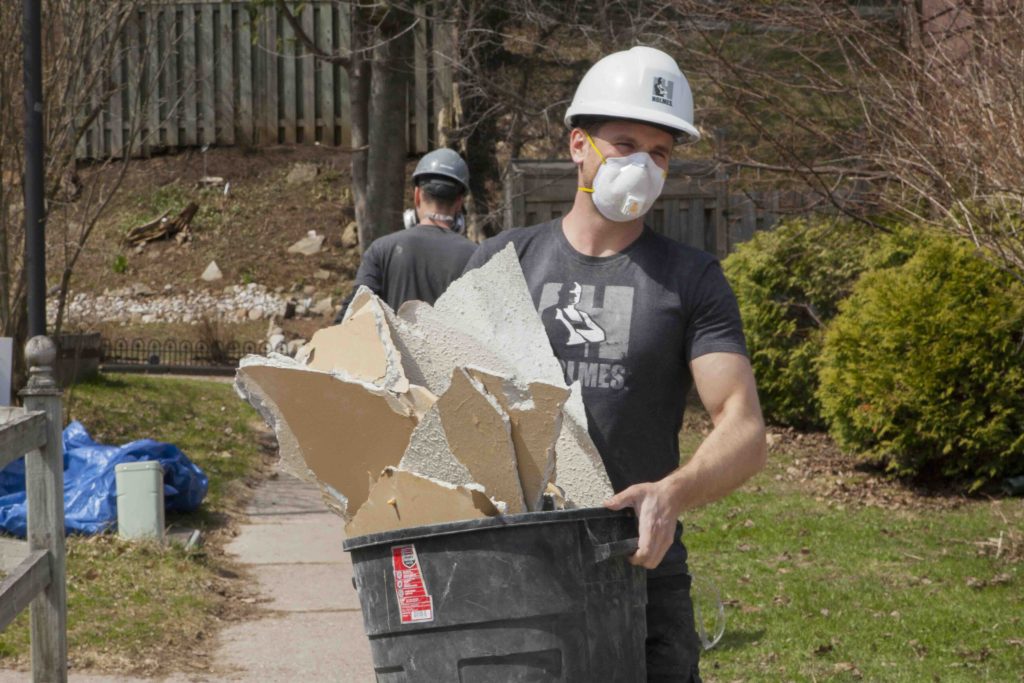
The demo revealed a lot of issues, including mold, and improper workmanship.
After a home inspection and IAQ test, we confirmed poor indoor air quality, including a ton of mold. The mold count was 6 times the normal amount — especially in the bedroom. A place that should be your sanctuary but this bedroom was not! And mold isn’t just ugly—it can be dangerous, especially for kids, seniors, anyone with respiratory issues or a compromised immune system.
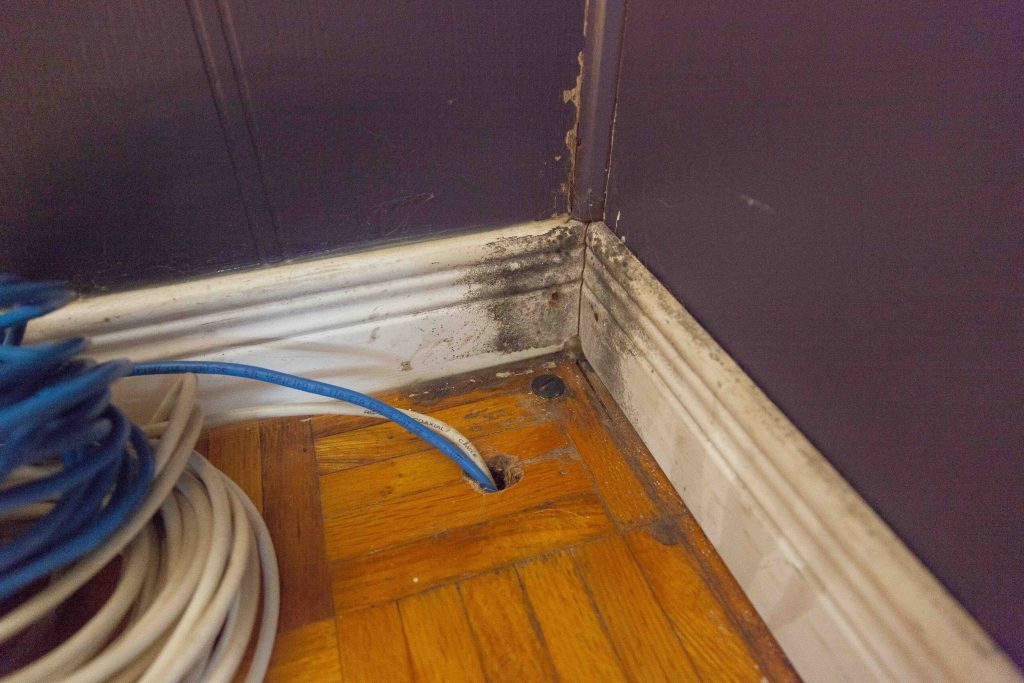
There was a lot of mold found in the home, especially in the main bedroom.
But here’s the thing: mold is usually a symptom, not the root problem.
In this case, the real issue was a build up of moisture and poor ventilation. There was no proper air circulation in the entire house for over 10 years. The homeowners didn’t have a working furnace and were heating their home with a gas fireplace. The bathrooms weren’t vented properly, the windows were old, and the airflow throughout the home just wasn’t there due to improper ductwork. Over time, that trapped moisture created the right conditions for mold to grow and poor indoor air quality.
RELATED:
Plus, we discovered the gas line feeding the fireplace had been compromised. It was just a bad install, and a serious safety risk for the homeowners and even the surrounding community. The gas line pipe had been crimped to force it into a larger line. That’s completely unacceptable. Gas lines need to be installed properly, using proper fittings—there are no shortcuts when you’re dealing with something this dangerous.
When you cut corners like that, you’re not just going against building codes —you’re creating a real risk of a gas leak, fire, or even an explosion. This kind of workmanship is substandard, plain and simple, and it’s exactly the kind of thing I’m always warning homeowners about.
So what did we do?
Why We Had to Gut the Entire Townhouse
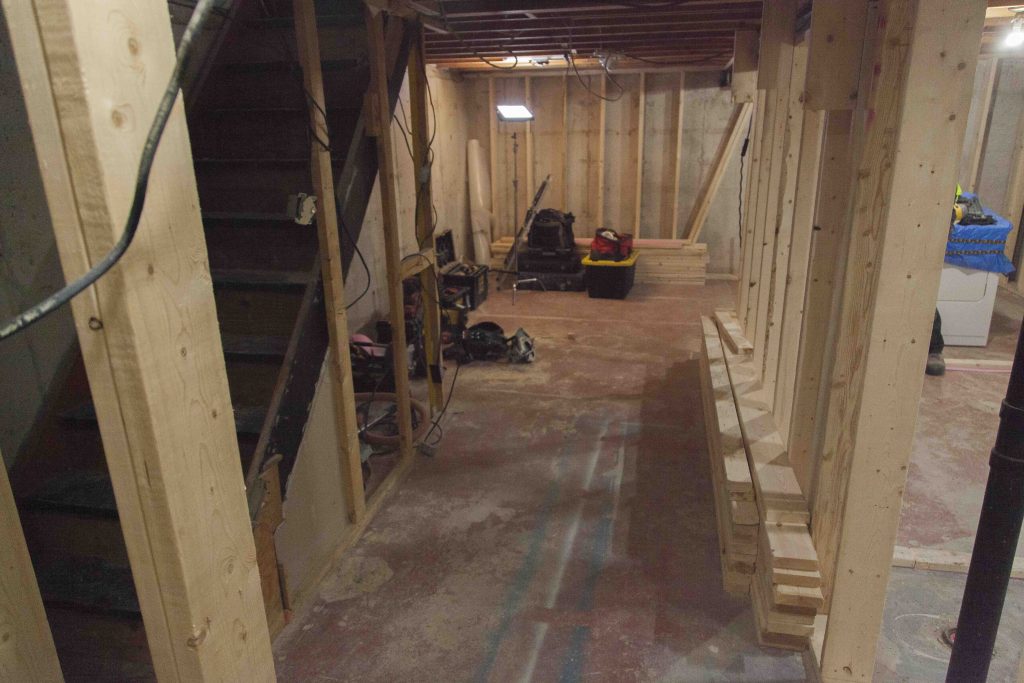
It’s just better to take it down to the studs.
We gutted the basement, the first floor and parts of the second floor. Sometimes there’s just no other way to fix a problem properly. We removed all contaminated materials, treated the affected areas, and rebuilt it so it would be safe and healthy for the homeowners.
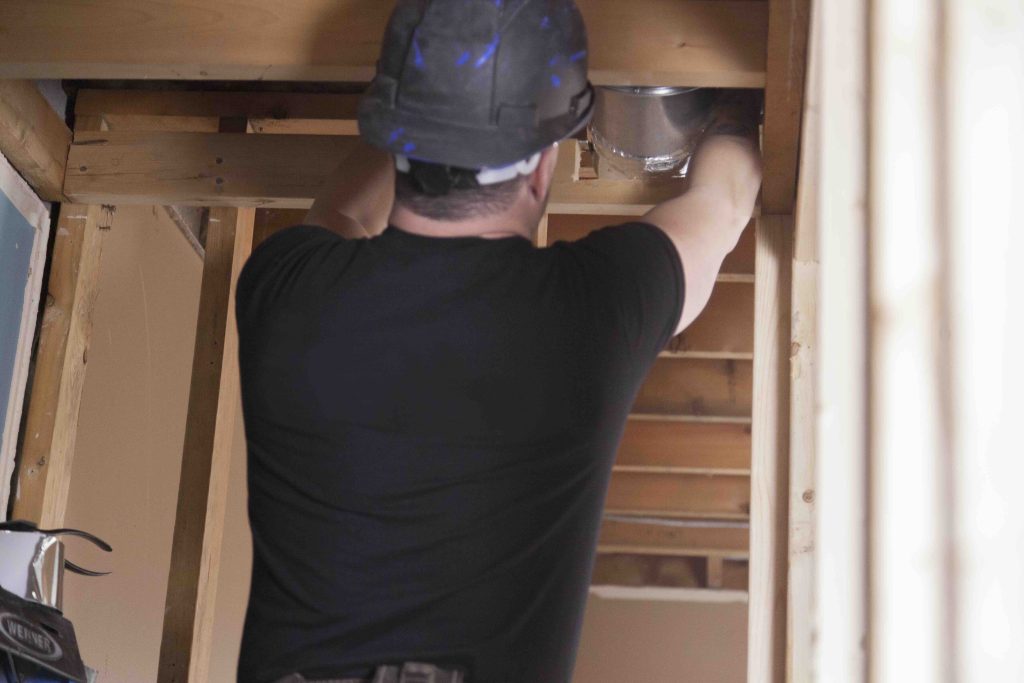
All new properly sized ductwork was installed throughout the entire home.
We made sure the home could breathe. We added proper ventilation, with a new furnace and a UV-C light, which helps reduce harmful bacteria and mold that thrive on the evaporative coil, and air conditioner.. All new properly sized ductwork and air returns to ensure proper airflow to the entire home. Installed exhaust fans in the new basement powderroom and new kitchen. Installed new vinyl windows, upgraded the electrical panel and the gas line for the new high-efficiency gas fireplace. All these measures were done to ensure this home was now a healthy home for this family.
How to Protect Your Family and Your Home
There are a few things homeowners should keep in mind.
First, don’t ignore the signs. If your home smells musty, if you’re seeing condensation where you shouldn’t, or if your health is being affected, get it checked out. Get a thorough home inspection including an indoor air quality test.
RELATED:
Second, hire the right people. Do your homework. Ask questions. Make sure your contractor knows what they’re doing and stands behind their work. Make sure you hire licensed trades – especially for electrical, plumbing and HVAC. Saving money upfront doesn’t mean much if the job has to be redone later or is a potential hazard to your family.
And finally, remember, a good home isn’t just about how it looks.—it’s about how it performs too. That means managing moisture, allowing for proper ventilation, and using the right materials in the right places, and getting it done right the first time.
At the end of the day, my job isn’t just about fixing houses—it’s about protecting the people who live in them. And in the case of the Toxic Townhouse, that’s exactly what needed to happen.
RELATED:
Related Articles

Trick Or Threat – How...
Halloween Home Safety Tips: How to Prepare Your Home for Trick-or-Treaters Halloween is one of...
Indoor Fall Home Maintenance Checklist
Fall Home Maintenance Checklist: Get the Inside of Your Home Ready for Winter Small home...

10 Heat Pump Questions Homeowners...
Heat Pump FAQ Heat pumps have been around for awhile now but recently they've been...