





When it comes to your home, siding isn’t just about looks—it’s your first line of defense. It protects your house from the elements, helps control energy efficiency, and plays a...
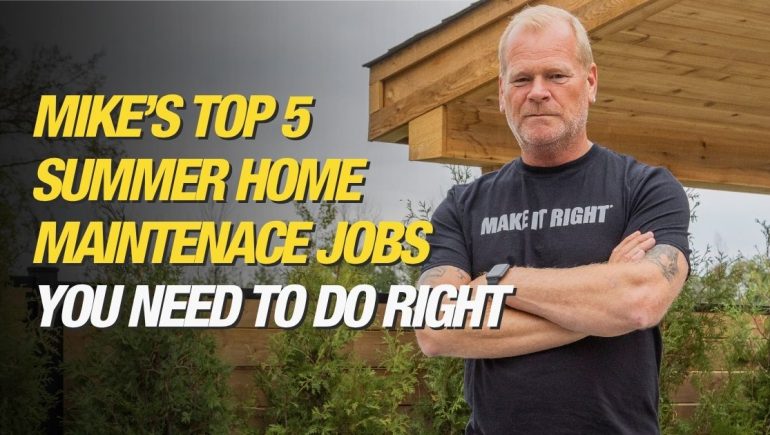
5 Summer Home Maintenance Chores You Need To Do Right
By Mike Holmes
Mike’s Advice / Home Safety & Maintenance
Saturday, May 30th, 2026 @ 9:01am
5 Summer Home Maintenance Tasks Every Homeowner Should Do
I love summer and it’s finally here! Summer is one of the best times to tackle important home maintenance projects. Warmer weather makes it easier to inspect your home, improve energy efficiency, and prevent expensive repairs before small issues become major problems. It’s the perfect time to tackle the maintenance jobs that protect your home before small problems turn into big expensive repairs.
Your home is one of the biggest investments you’ll ever make. If you want it to last, you’ve got to stay ahead of maintenance. Ignoring little issues now can cost you big time later.
From HVAC maintenance and air filters to gutters and siding inspections, these summer home maintenance tips can help protect your investment and improve your home’s long-term performance.
Summer Home Maintenance Checklist
- Inspect HVAC system
- Replace air filters
- Clean gutters
- Check siding and exterior cladding
- Inspect windows and doors
- Trim landscaping away from the home
- Test outdoor faucets and hose bibs
- Check deck and patio condition
Here are five most important summer chores every homeowner should put on the list — and how to do them right.
1. Check Your Cooling System Before It Fails
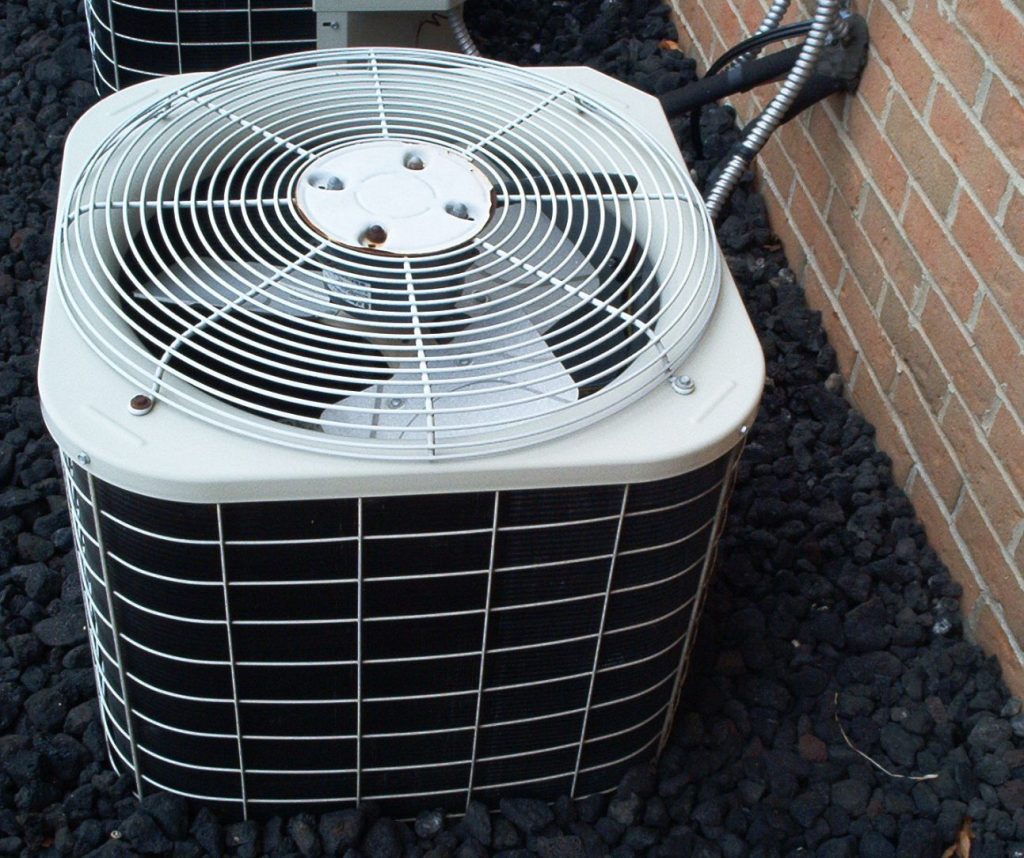
Ensure the area around and on your air conditioning unit is clear of debris.
Nothing’s worse than your air conditioning quitting during a heat wave. That’s why summer is the time to inspect your cooling system and make sure it’s running efficiently.
If you’re still relying on an older air conditioner, it may be worth looking into a modern heat pump system. Today’s heat pumps can cool your home efficiently in summer and help heat it in winter too. I like seeing homeowners move toward energy-efficient systems that can lower operating costs and improve comfort year-round.
Many brands offer ductless mini-split and heat pump systems that are becoming a smart option for homeowners looking for efficient cooling without major renovations. They’re especially useful in older homes, additions, condos, garages, or spaces with inconsistent temperatures.
RELATED:
What Is a Heat Pump Water Heater and How Does It Work?
But here’s the key: even the best HVAC equipment won’t perform properly if it’s installed incorrectly. Proper sizing, placement, and professional installation matter.
Don’t forget to:
- Clean debris around outdoor units
- Check refrigerant lines for damage
- Make sure vents aren’t blocked
- Listen for unusual noises
A system working harder than it should means higher energy bills and more wear and tear.
While you’re checking your cooling system, don’t forget about your home’s ventilation. An Energy Recovery Ventilator (ERV) helps bring fresh outdoor air into your home while exhausting stale indoor air. Systems like Panasonic ERVs can improve indoor air quality and help your HVAC system operate more efficiently year-round.
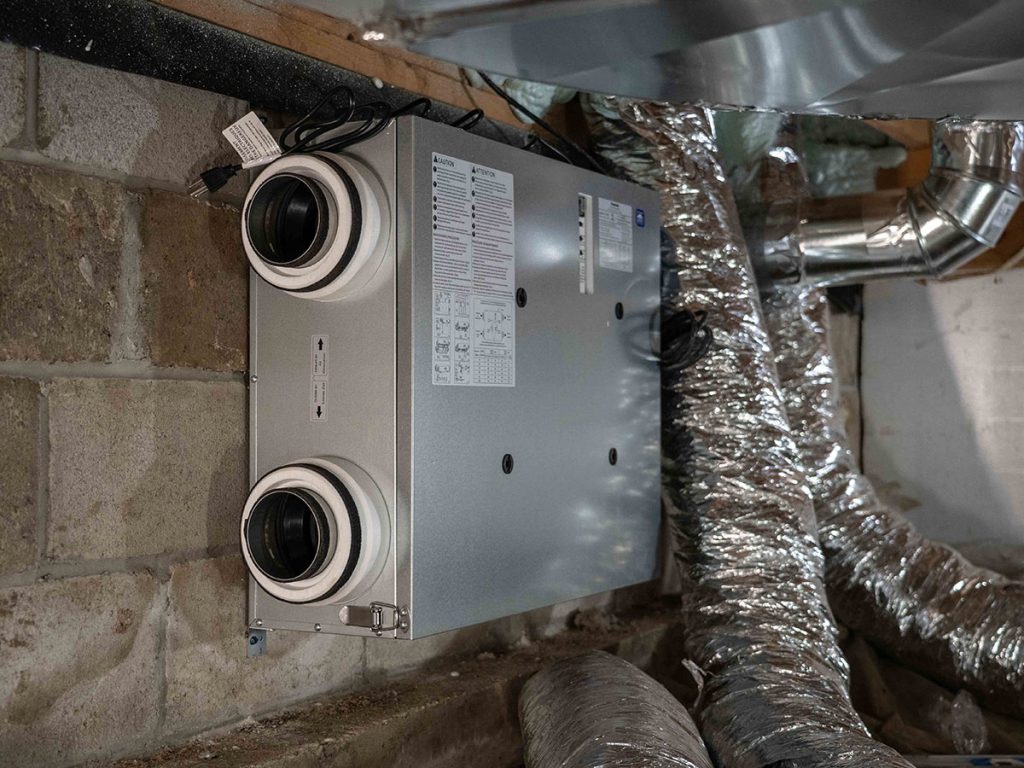
System like Panasonic ERV Intelli-Balance can improve indoor air quality and help your HVAC system operate more efficiently year-round.
RELATED:
2. Change Your Air Filters
This is one of the simplest things homeowners forget to do — and it makes a huge difference.
Why Changing Your Air Filters Improves HVAC Efficiency
Dirty air filters restrict airflow, force your HVAC system to work harder, reduce indoor air quality, and can shorten the life of your equipment.
During summer, especially if you’re running AC constantly, check your filters monthly. Replace or wash them regularly. Homes with pets, renovations, allergies, or wildfire smoke exposure may need more frequent changes.
A clean filter helps:
- Improve airflow
- Reduce dust and allergens
- Lower energy consumption
- Protect your HVAC equipment
If your home has an ERV system, summer is also a good time to inspect and replace the ERV filters according to the manufacturer’s recommendations. Clean ERV filters help maintain proper airflow, improve indoor air quality, and support the overall performance of your ventilation system.
And don’t just buy the cheapest filter you can find. Use the right filter recommended for your system. Higher-rated filters aren’t always better if your system isn’t designed for them. This will help to avoid costly HVAC repairs.
It’s a small job that protects a very expensive system.
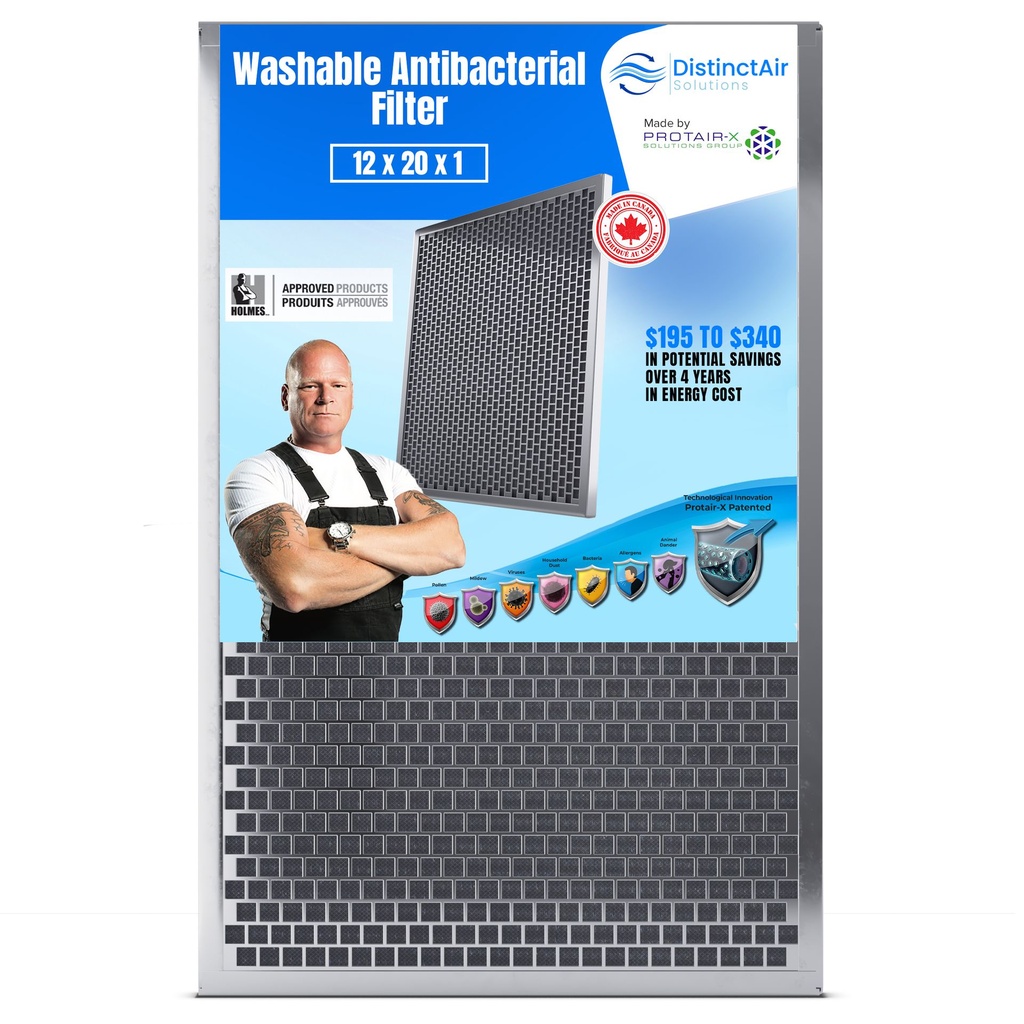
Distinct Air Filters are the good ones I recommend for furnace filters. They capture and eliminate bacteria, mold, allergens, and pollen ensuring cleaner air for you and your family.
RELATED:
Why High-Quality Furnace Filters Matter
What’s the Right HVAC System for Your Home?
The Ultimate Guide to Heat Pump and Furnace Maintenance: Tips to Keep Your System Running Smoothly
3. Clean and Inspect Your Gutters
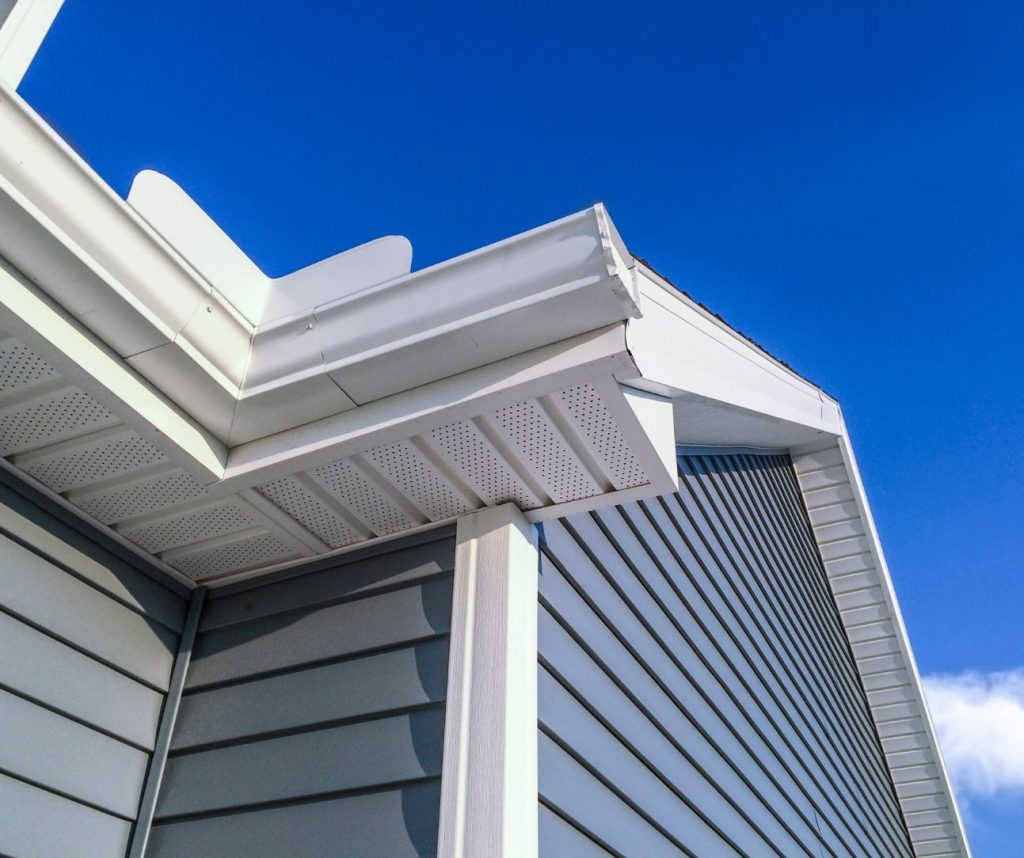
Unclogged gutters help protect your home from water damage.
Summer storms can dump a lot of water on your home in a short period of time. If your gutters are clogged, damaged, or pulling away from the house, water can end up where it shouldn’t — around your foundation, roof, soffits, or basement.
That’s a problem.
Clean out leaves, debris, and dirt, then inspect for:
- Loose fasteners
- Sagging sections
- Leaks at seams
- Downspouts draining too close to the house
Your downspouts should direct water well away from the foundation.
A properly working gutter system protects your:
- Roof
- Siding
- Windows
- Foundation
- Landscaping
Gutter guards can also help reduce maintenance if they’re installed properly and maintained over time. Systems like LeafFilter Gutter Protection are designed to help keep debris out while allowing water to flow through. No system is completely maintenance-free, but quality gutter protection can reduce cleaning frequency and help prevent blockages. It also prevents expensive water damage and protect your home investment.

Gutter guards like LeafFilter Gutter Protection are designed to help keep debris out while allowing water to flow through.
4. Inspect Your Exterior Cladding
How to Inspect Exterior Siding for Water Damage
Your siding is your home’s first line of defense against the elements. Summer is the perfect time to walk around your house and really look at it.
Check for:
- Cracks
- Warping
- Loose panels
- Rot
- Peeling paint
- Missing caulking
- Moisture staining
Different materials age differently. Wood needs regular maintenance. Vinyl can crack or warp. Brick and stone can develop mortar issues.
RELATED:
How to Choose the Best Premium Cellular Siding for Your Home
Buyers Guide For Exterior Siding Materials – Mike Holmes’ Expert Tips
The biggest concern? Water intrusion.
Once moisture gets behind your cladding, it can lead to mould, rot, and structural damage — and homeowners often don’t notice until the damage is extensive.
Pay close attention around:
- Windows
- Doors
- Rooflines
- Vents
- Deck attachments
If something looks questionable, get it inspected before it becomes a major repair.
If it’s time to replace your siding consider installing Elite Cladding® Premium Cellular PVC Siding – it’s one of the best siding materials I’ve seen in a long time!
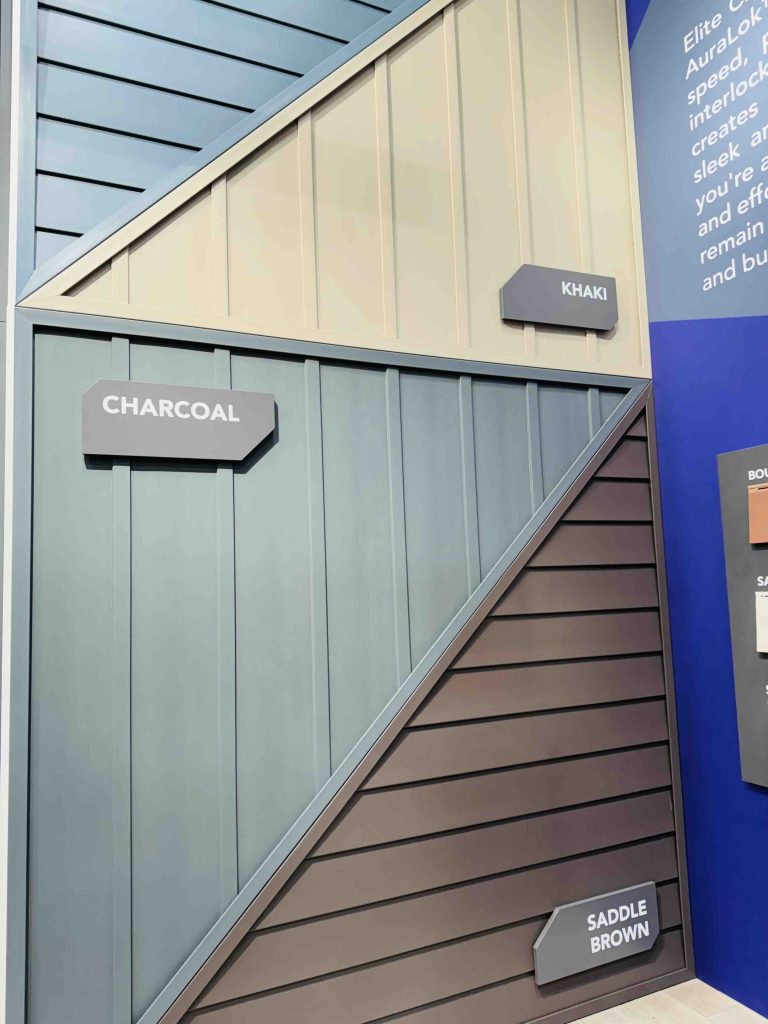
I was so impressed when I first saw Elite Cladding® Premium Cellular PVC Siding at this years IBS show.
5. Prepare Your Home for the Market — Even If You’re Not Selling Yet
A lot of homeowners wait until they’re ready to sell before they start thinking about their home’s condition. Let’s rethink this.
Maintaining your home consistently helps preserve value and avoids rushed repairs later as well as reduce long-term maintenance costs.
If selling may be in your future, summer is a great time to:
- Touch up landscaping
- Wash windows
- Repair exterior damage
- Organize storage areas
- Document upgrades and maintenance
And if you really want buyers to understand your home, tools like iGUIDE can help showcase it properly. Detailed floor plans, accurate measurements, and immersive virtual tours give buyers a better understanding of the space before they even walk through the door.
That kind of transparency matters — especially in today’s market.
RELATED:
A well-maintained home photographs better, shows better, and usually sells better.

iGUIDE creates records of any stage of construction or renovation. Great for builders but also great for inspectors and homeowners providing digitial reference for what is behind walls and more.
Home maintenance isn’t glamorous, but it’s what protects your investment. The key is consistency. Small jobs done regularly are always cheaper than major repairs caused by neglect.
Your home works hard year-round. Summer is the perfect time to return the favour.
Because when it comes to your home, do it right the first time.
RELATED:
Summer Home Maintenance FAQ
How often should homeowners do summer maintenance?
Regular summer home maintenance should be done annually, with HVAC filters checked monthly during heavy cooling use. Seasonal inspections help prevent costly repairs and extend the life of your home systems.
What home maintenance should be done in summer?
Important summer home maintenance includes inspecting your HVAC system, cleaning gutters, checking siding and caulking, replacing air filters, and looking for water damage around the home.
Why is summer the best time for home maintenance?
Summer provides better weather and longer daylight hours, making it easier to inspect exterior components, complete repairs, and prepare your home before fall and winter conditions arrive.
How do clogged gutters damage a home?
Clogged gutters can cause water overflow that damages roofing, siding, foundations, soffits, and basements. Proper drainage helps protect the structure of your home.
How often should air filters be changed in summer?
During summer, air filters should typically be checked every month and replaced as needed, especially in homes with pets, allergies, renovations, or wildfire smoke exposure.
Quick Summer Home Maintenance Tips
The most important summer home maintenance tasks include checking your HVAC system, replacing air filters, cleaning gutters, inspecting siding, and preventing water intrusion. Regular maintenance helps homeowners avoid expensive repairs and protect long-term property value.
READ NEXT:
Heat Pump Systems: What You Need To Know
9 Signs Your Gutters Were Installed Incorrectly
Signs Your HVAC Needs Replacement
Common Siding Mistakes Homeowners Make
Related Articles

What is The Best Exterior...
When it comes to your home, siding isn’t just about looks—it’s your first line of...

Trick Or Threat – How...
Halloween Home Safety Tips: How to Prepare Your Home for Trick-or-Treaters Halloween is one of...
Indoor Fall Home Maintenance Checklist
Fall Home Maintenance Checklist: Get the Inside of Your Home Ready for Winter Small home...