





Do Gutter Guards Really Work? I get a lot of homeowners asking me if gutter guards are worth it, and the short answer is “yes’. Gutter guards can work very...
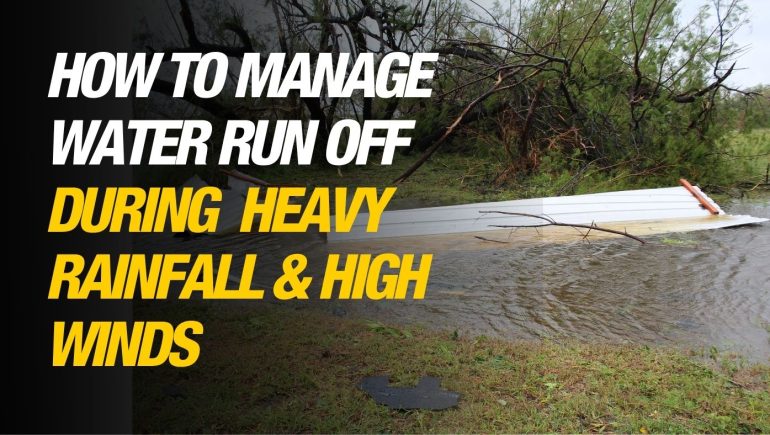
Tough Storm Gutter Protection: What You Need to Know
By Mike Holmes
Mike’s Advice / Home Safety & Maintenance
Saturday, May 2nd, 2026 @ 2:03pm
Storm-Ready Gutters: How to Protect Your Home From Heavy Rain and High Winds
We’ve all seen and witnessed severe weather and it’s becoming increasingly more dangerous and unpredictable. Whether you’re in Atlantic Canada, the Gulf Coast of the USA, or anywhere in between that gets hammered by wind-driven rain and storms, your home’s exterior systems have got to be built tough. That absolutely includes your gutters.
I’ve been on more job sites than I can count where a perfectly good roof and siding were held back by neglected gutters. It’s easy to forget those aluminum channels up high…until water starts pouring where it shouldn’t, or wind jams debris up against your soffit and fascia.
Next to your roof, gutters are your first line of defense against water damage during tough storms and wind. They play a critical role that is often overlooked by protecting your home’s structural integrity by managing the massive volume of water that runs off a roof during intense heavy rainfall.
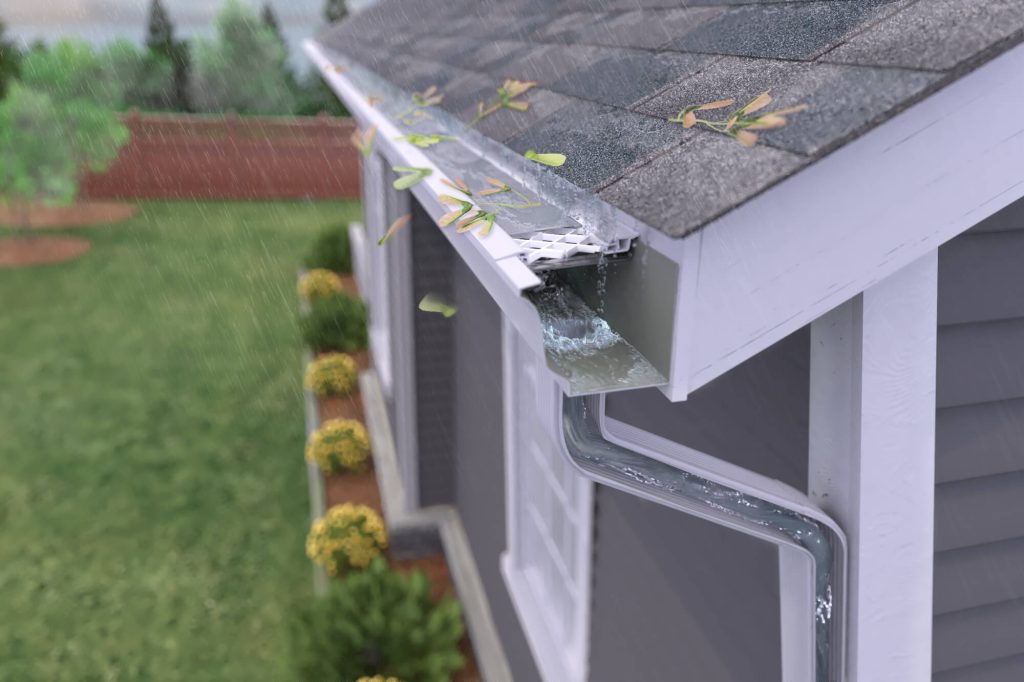
Next to your roof, gutters are your first line of defense against water damage during tough storms and wind
If they aren’t doing their job, you are leaving your biggest investment vulnerable.
Let’s talk about what you need to know!
Can Heavy Rain Damage Your Home if Gutters Are Clogged?
Many homeowners assume clogged gutters are only a nuisance. In reality, clogged gutters can contribute to some of the most expensive types of home damage.
When water cannot flow through the gutter system, it overflows onto siding, fascia boards, soffits, and the foundation. During heavy rain, even a short period of overflow can result in soil erosion, basement leaks, wood rot, and structural damage.
Proper gutter maintenance and protection help ensure rainwater is safely directed away from your home when you need it most.
How Much Water Can a Roof Collect During a Storm?
The average residential roof collects an enormous amount of water during a storm.
A 2,000-square-foot roof can shed more than 1,200 gallons of water during just one inch of rainfall. During severe thunderstorms, that amount can increase significantly within a short period.
Without properly functioning gutters and downspouts, that water may end up where it doesn’t belong—around your foundation, inside your walls, or in your basement.
This is why an effective gutter protection system is an important part of a home’s overall water management strategy.
Why Gutter Protection Matters in Heavy Rain & High Winds
Heavy rain + high winds can wreak havoc on your home. Here’s what aggressive weather patterns do to a home without proper gutter protection:
Water Overflow
When rain pours faster than your gutters can carry it away, water backs up under shingles, onto siding, and around your foundation. In storm-prone regions of the U.S. Southeast and Atlantic Canada’s Nor’easter zones, that’s not uncommon.
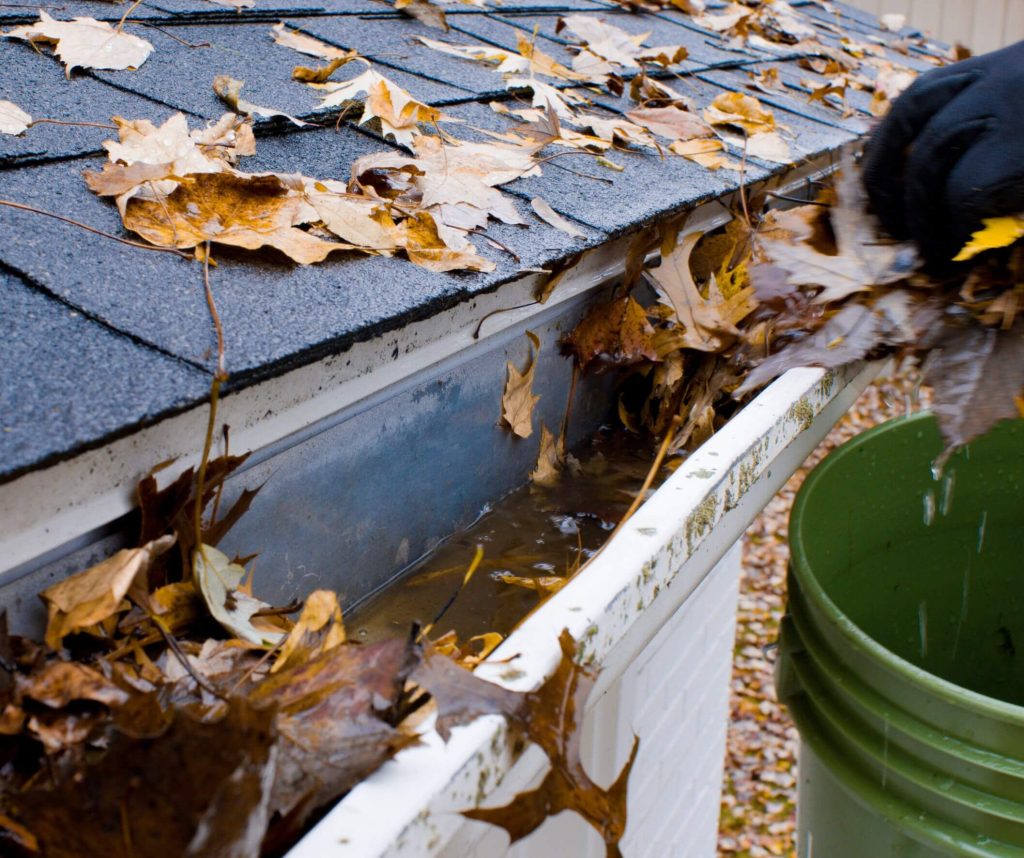
When rain pours faster than your gutters can carry it away, water backs up under shingles, onto siding, and around your foundation
Wind-Blown Debris
High winds kick up leaves, twigs, pine needles, and even loose roofing granules — and throw them into your gutters. Once debris gets packed in, water can’t get out.
Ice & Snow in Colder Climates
Much of North America sees their fair share of winter weather. Gutter protection helps reduce debris accumulating, keeps water flowing and avoids damage caused by ice, snow melting and tough storms. Helping to protect your home all year long. If your gutters are blocked, your whole home becomes more vulnerable to storm damage.
RELATED:
Signs Your Gutters May Not Be Ready for Storm Season
Before the next major weather event arrives, inspect your gutters for these warning signs:
- Water overflowing during rainfall
- Gutters pulling away from the fascia
- Sagging sections
- Visible cracks or holes
- Water stains on siding
- Standing water inside the gutter
- Erosion below downspouts
- Loose gutter guards or screens
- Debris buildup near roof edges
Addressing these issues early can help reduce the risk of costly storm-related damage.
What Good Gutter Protection Actually Does
Most have heard of “gutter guards,” “covers,” or “screens”. But not all of them work well when in a storm.
Gutter protection must:
Keep Debris Out
Leaves, twigs and other debris — if it can clog your channel, it needs to stay out.
Handle High Volume Water
Big storms dump lots of water fast. A good system won’t restrict flow.
Stay Put in High Winds
Cheap screens can lift, bend, or come off entirely when winds kick up.
Minimize Maintenance
Let’s be honest — homeowners don’t want to be on a ladder after every storm. Good gutter protection cuts down on that.
Click Here To Find a US LeafFilter Installer
Click Here To Find a Canadian LeafFiler Installer
LeafFilter Gutter Guard System — The Smart Choice
Now let’s talk about one of the solutions I’ve seen stand up better than most: LeafFilter Gutter Protection.
I’ve always believed in durable solutions. LeafFilter uses a stainless steel micro-mesh design that helps keep debris out of your gutters while letting water flow through. During heavy rains that micro-mesh makes a huge difference.

During a LeafFilter Gutter Guard installation on one of our job sites.
Here’s why LeafFilter can be especially effective:
Keeps Common Debris Out
The stainless steel micro-mesh filters debris that other guards let through.
Reduces Clogging
When wind blows debris into your gutters, this system helps prevent buildup — so water actually gets away from your home.
Works for Different Climates
Whether you’re dealing with high winds in North Carolina, rainy spring storms in Florida, or autumn winds in Ontario, the goal is the same: unblocked water flow.
That said — and this is important — any gutter guard is only as good as its installation. If it’s installed poorly, water will find its way around it, just like a crooked roof flashing lets water in. Do it right, or don’t do it at all.
RELATED:
Top 5 Questions About Gutter Guards – Answered
Storm-Proofing Your Gutters — Step-by-Step
Here’s how to approach gutter protection like a pro:
1. Inspect & Repair First
Before adding guards, your gutters need to be in good shape. Fix sagging, holes, and loose hangers. If the system is compromised, guards won’t help much.
2. Clear Existing Debris
Even the best guard system can’t do its job if it’s sitting on a clogged gutter. Clean them out before you install anything.
3. Choose a High-Quality Guard
Not all gutter guards perform the same. Micro-mesh systems like LeafFilter are often better at handling both debris and high water volume.
4. Secure Fastening Matters
High winds can twist and pull at loosely installed guards. Make sure they’re properly fastened along the full length of the gutter.
5. Do Seasonal Checks
Storm seasons change. A fall windstorm might fill gutters with leaves, and spring might bring twigs, dirt and other debris. Regular checks — a couple of times a year — keep things flowing.
RELATED:
SPRING HOME MAINTENANCE CHECKS
Bonus Tips for Homeowners
Here are a few no-nonsense extras to protect your home:
Extend Downspouts
Make sure water is carried well away from your foundation — especially critical in heavy rain.

Extend downspouts and make sure water is carried well away from your foundation
Check Roof Flashings
Gutters work with your roof. If roof flashings are loose or damaged, water can slip behind gutters and into walls.
Trim Back Trees
Wind can shred branches and spray debris over your roof. Keep trees trimmed to reduce what hits your gutters.
In Winter Climates
In addition to your gutter system, homeowners need to pay attention to what’s happening in the attic. Proper insulation and ventilation help maintain a consistent roof temperature, reducing heat loss and preventing snow and ice from melting in the first place. When an attic isn’t properly insulated, heat escapes through the roof, melting snow that then refreezes in the gutters. That leads to heavy blockages, added weight, structural stress, and eventually premature gutter failure.
Protect Your Gutter- Don’t Wait for the Next Storm
Don’t ignore the signs and wait for the next storm to damage your home. Whether you’re facing high-winds down south or up north, preparation before the next big weather event is the key.
There are a few key things homeowners should stay on top of and keeping your gutters clear from debris buildup is one of them. When installed correctly, gutter guards help protect and keep water away from your home. Stay on top of these so you can minimize the likelihood of costly repairs down the road.
Frequently Asked Questions About Storm-Ready Gutters
Do gutter guards help during heavy rain?
Yes. A properly installed gutter guard system helps keep debris out of gutters, allowing water to flow more freely during heavy rainfall events.
Can high winds damage gutters?
Yes. Strong winds can loosen fasteners, bend gutters, and blow debris into the system. Regular inspections help identify damage before it becomes a larger problem.
How often should gutters be inspected?
Most homeowners should inspect their gutters at least twice per year—typically in the spring and fall—and after major storms.
Are gutter guards worth it in storm-prone areas?
Homes located in regions that experience heavy rainfall, frequent storms, or significant tree coverage often benefit from gutter protection systems because they help reduce debris accumulation and maintenance requirements.
What is the best way to prepare gutters for storm season?
Inspect the system, clear debris, repair damage, ensure downspouts drain properly, and consider installing a professionally installed gutter protection system.
READ NEXT:
RELATED: Spring Yard Maintenance Tips for Your Outdoor Space
Related Articles

Trick Or Threat – How...
Halloween Home Safety Tips: How to Prepare Your Home for Trick-or-Treaters Halloween is one of...

Indoor Fall Home Maintenance Checklist
Fall Home Maintenance Checklist: Get the Inside of Your Home Ready for Winter Small home...

10 Heat Pump Questions Homeowners...
Heat Pump FAQ Heat pumps have been around for awhile now but recently they've been...