


When it comes to your home, siding isn’t just about looks—it’s your first line of defense. It protects your house from the elements, helps control energy efficiency, and plays a...
What is The Best Exterior House Siding? A Complete Guide
By Mike Holmes
Mike’s Advice / Home Safety & Maintenance
Tuesday, October 20th, 2026 @ 8:57am
When it comes to your home, siding isn’t just about looks—it’s your first line of defense. It protects your house from the elements, helps control energy efficiency, and plays a huge role in curb appeal. Get it right, and your home looks great and performs the way it should. Get it wrong, and you could be dealing with moisture damage, heat loss, and costly repairs down the road. Trust me, I’ve ripped off a lot of siding in my career.
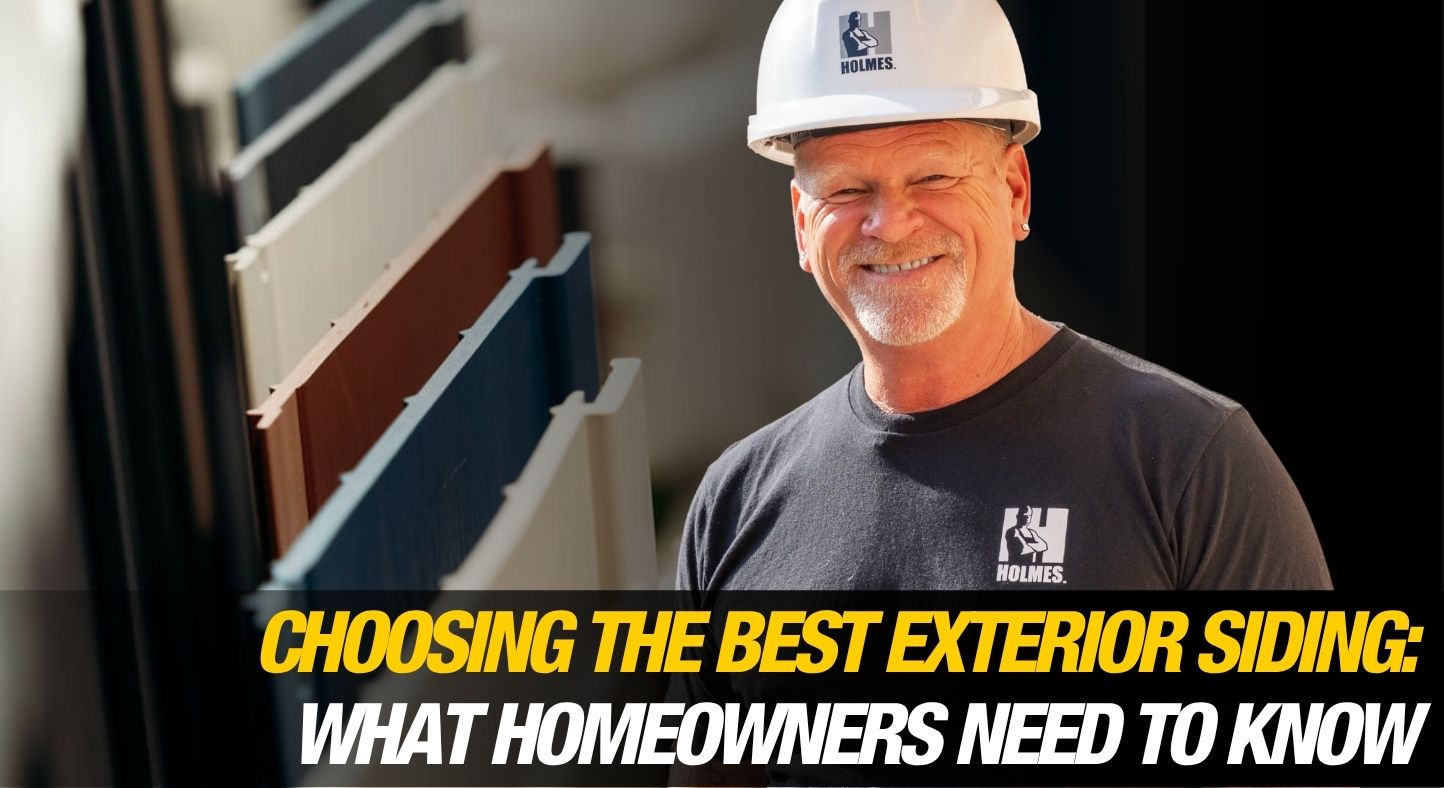
Choosing The Best Exterior Siding: What Homeowners Need To Know
There’s no shortage of options out there—traditional vinyl, fiber cement, wood, engineered wood, metal, and newer high-performance materials. But here’s the thing: the “best” siding isn’t the same for every home. It depends on your climate, your budget, how much maintenance you’re willing to take on, and how long you want it to last.
It’s not just about picking what looks good on the outside. Homeowners should be choosing a system that’s built to protect your home for the long haul. That’s what really matters.
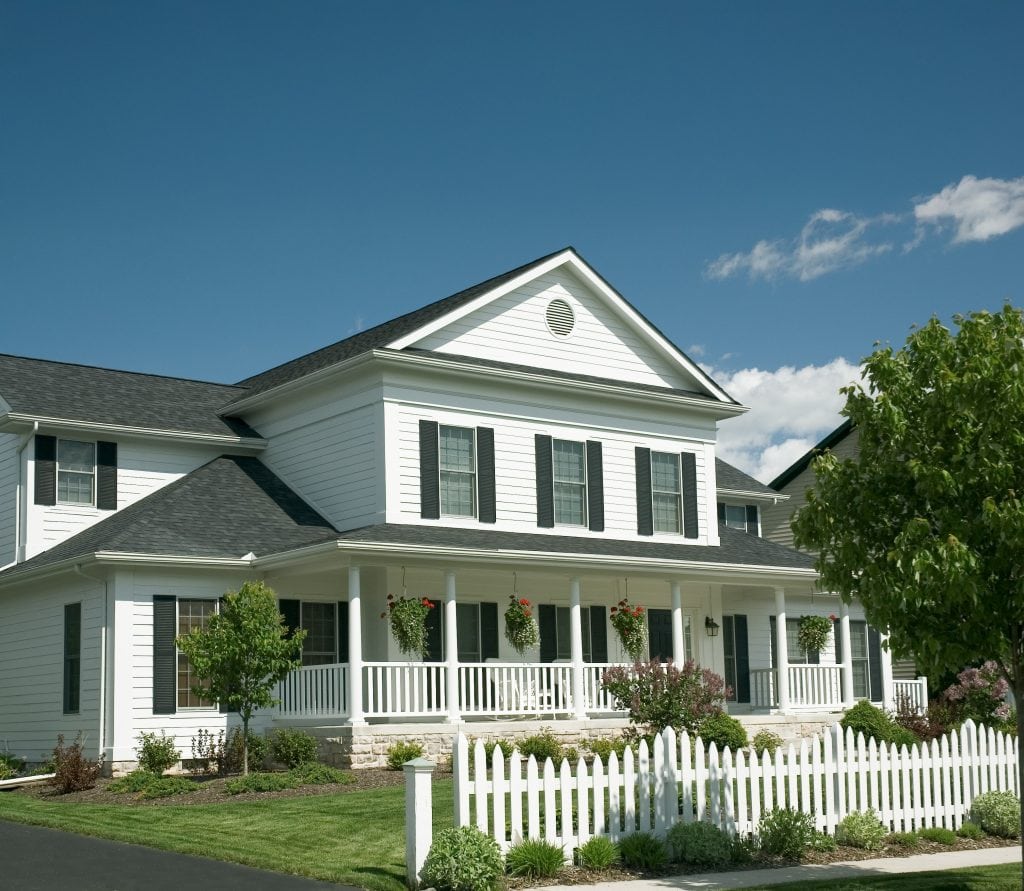
Homeowners should be choosing a system that’s built to protect your home for the long haul. That’s what really matters.
Types of Exterior Siding Materials (Pros & Cons)
Every siding product has its pros and cons, so you’ve got to understand what you’re really getting before you commit.
Traditional Vinyl Siding: Affordable, Low-Maintenance, and Versatile
Pros: Vinyl siding is popular for a reason. It’s affordable, low maintenance, and easy to find.
Cons: Vinyl siding can crack in the cold, fade over time, and it doesn’t give you that high-end look. It works if you’re on a tight budget, but you get what you pay for.
Fiber Cement Siding: Durable and Built to Last
Pros: Fiber cement is a step up. It’s tough, fire-resistant, and gives you that nice wood-look finish.
Cons: Fiber cement is heavier, more expensive, and installation has to be done right. If your contractor messes up the installation, you’re asking for problems down the road. Done properly, though, it holds up well over time.
Wood Siding: Stunning Look
Pros: Now, real wood siding—nothing beats the look.
Cons: Wood siding comes with a price, and I’m not just talking about upfront cost. You’re committing to ongoing maintenance—painting, staining—and if you don’t stay on top of it, you’re dealing with rot and bugs. It’s for people who love the look and are willing to put in the work.
Engineered Wood Siding: The Look of Wood Without the Hassle

Wood looks but keep in mind as it requires regular maintenance with a repaint or stained every 3 or 4 years unless you go for cedar or redwood.
Pros: Engineered wood tries to bridge that gap. It’s more affordable than real wood and handles moisture a bit better.
Cons: Wood siding is not maintenance-free. You still need to take care of it. It’s a decent option if you want the wood look without going all in.
Metal Siding (Aluminum/Steel): Modern and Tough
Pros: Metal siding—like aluminum or steel—is durable and fire-resistant, and it fits really well with modern designs.
Cons: It can dent, and the look isn’t for everyone. It’s more common in contemporary homes or commercial buildings for a reason.
Premium Cellular PVC siding: Siding: Engineered for Performance
Pros: This is where things start to get interesting. It’s built to handle moisture, won’t rot, and bugs won’t touch it. You get the look of wood without all the headaches. It’s durable, low maintenance, and performs especially well in harsh or wet climates. If you want something that’s going to last and keep doing its job, this is a solid option.
Cons: Not all siding manufacturers carry this product. You’ll have to do your research and work with a contractor who is trained on installing cellular PVC siding.
Factors to Consider When Choosing Exterior Siding
- Climate and weather resistance (moisture and freeze-thaw performance)
- Budget and installation cost
- Maintenance requirements
- Lifespan and durability
- Energy efficiency and insulation
- Aesthetic and home style compatibility
- Cost vs long-term value
Durability & Lifespan
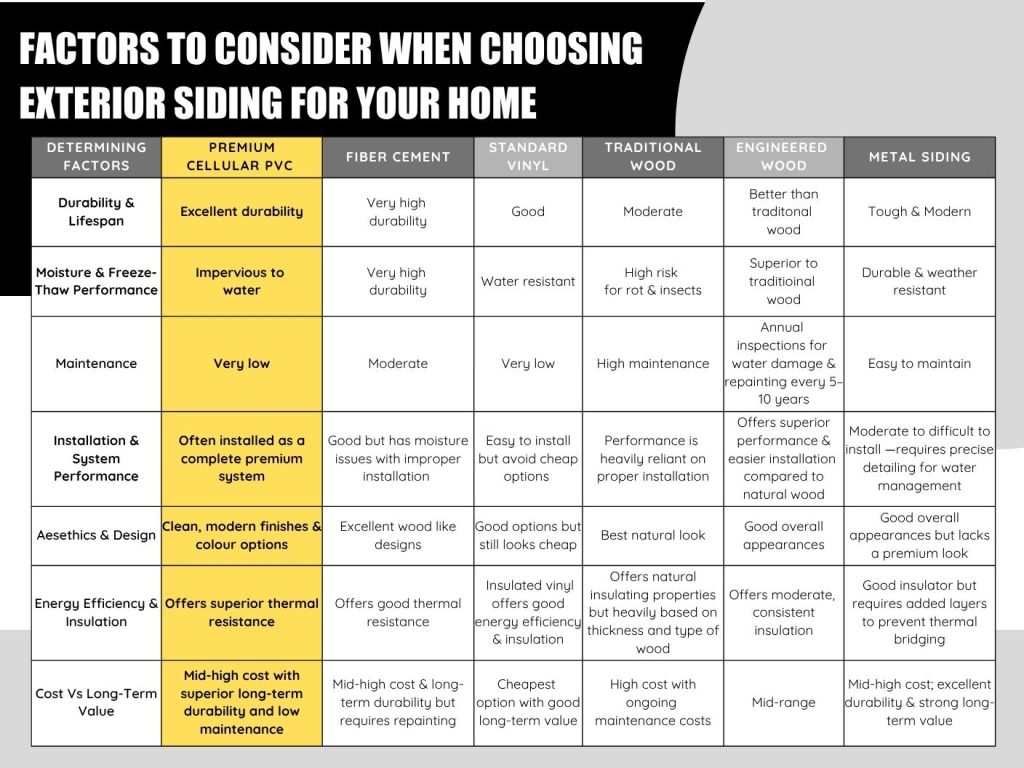
When it comes to premium cellular PVC siding it is an excellent choice when considering durability and lifespan. It does not rot and is resistant to cracking and does not absorb moisture. Perfect for harsh and wet climates. While fiber cement is very durable it can crack and absorb moisture. Traditional vinyl can crack in the cold and warp in the heat. Wood is a good choice too but is vulnerable to rot and pests. Engineering wood performs better than real wood but is still moisture sensitive over time. Traditional vinyl is good but can crack or warp.
Elite Cladding® premium cellular PVC, and fiber cement both perform well but Elite Cladding® premium cellular PVC is moisture resilient.
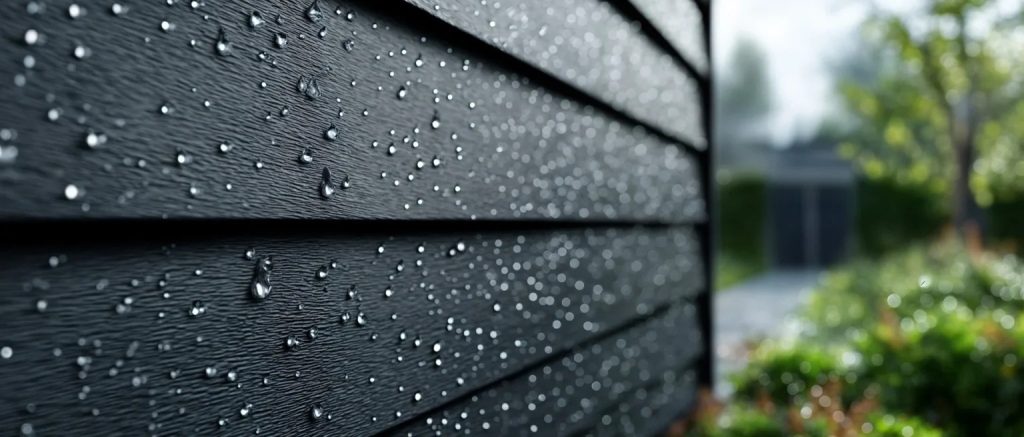
Elite Cladding® premium cellular PVC is moisture resilient
Moisture + Freeze-Thaw Performance
Premium cellular PVC is impervious to water and performs well in freeze-thaw climate cycles. Fiber cement is tough but can absorb moisture and have potential long-term issues when installation is done incorrectly. Traditional vinyl is water-resistant, but it’s not a sealed system. Metal does not absorb moisture, and is excellent in wet and snowy climates. Wood siding performs poorly in freeze-thaw cycles if not properly maintained, as it absorbs moisture. Engineered wood is moisture sensitive at the joints too . The constant movement of expanding and contracting leads to swelling, splitting, warping, cracking and eventual rot. High maintenance sealing and painting are essential to prevent structural damage.
Using Elite Cladding® premium cellular PVC siding, is one of the biggest advantages, to help protect your home in North American climates.
Low Maintenance Living: Say Goodbye to Constant Upkeep
Premium cellular PVC signing requires no painting, no staining resulting in very low maintenance. Traditional vinyl and metal siding also require very little maintenance, but cheap vinyl versions do not perform well in harsh conditions, while metal siding does. Fiber cement board requires moderate maintenance which includes repainting or staining over time. Wood and engineered wood siding require regular maintenance too; consistent sealing and painting are essential to prevent structural damage.
While vinyl and metal siding are good options, when just considering maintenance, Elite Cladding® premium cellular PVC siding is the best choice overall.
Installation & System Performance
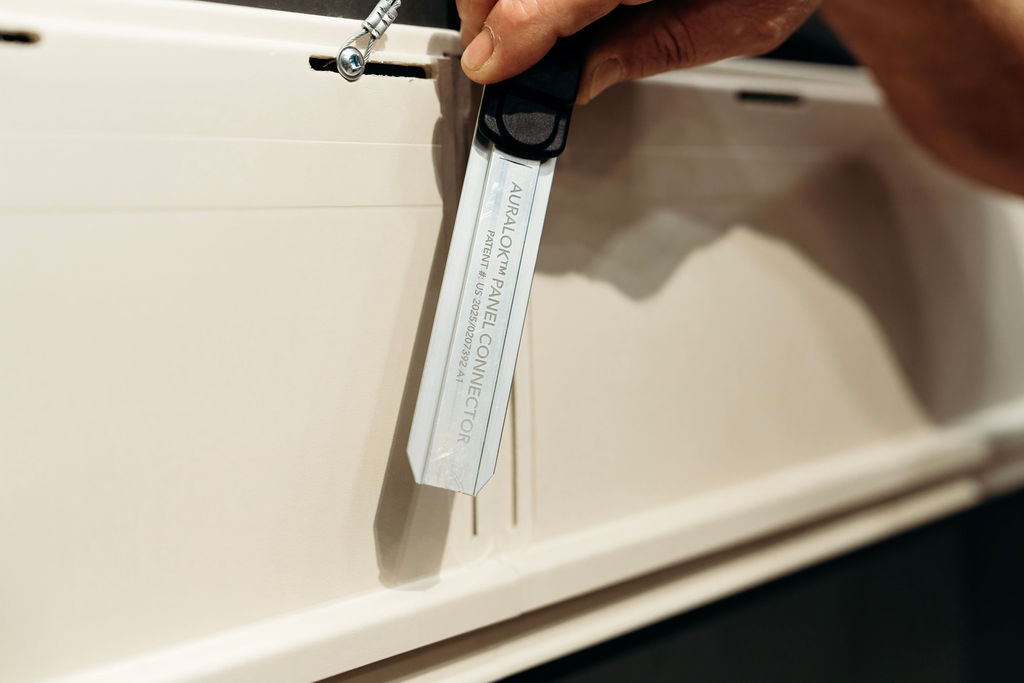
The AuraLok™ Panel Connector System – precision-engineered locking system
This is where the Elite Cladding® cellular PVC siding stands out – designed for efficiency, AuraLok™ Panel Connector System, allows for faster, more accurate installation compared to its competitors. Plus, AuraLok™ Panel Connector System, is a patented, precision-engineered locking system that connects panels cleanly and consistently, reducing installation errors, eliminates the need for screws and flimsy connectors and prevents warping, twisting or buckling at the seams.
Plus, the Veyros™ Technology premium acrylic capstock protects the cellular PVC siding from surface wear, chalking, and fading. It offers 20-50%* better color retention, allowing for dark, rich colors that last longer than competitors.
Fiber cement is tough, but it’s heavy and takes real skill to install—and if it’s not done right, you can end up with moisture problems or cracking. Traditional vinyl is easier and cheaper to install, but it’s not a sealed system, so any water that gets behind it has to drain properly or you’re asking for trouble.
Wood siding looks great, but it needs careful installation, a proper rainscreen, and ongoing maintenance to keep it from breaking down. Engineered wood is easier to work with, but every cut and joint has to be sealed properly or moisture can get in.
Metal siding is strong, but it still depends on a well-built system behind it. if the moisture control isn’t there, the whole wall can underperform.
No matter the material, it all comes down to how well it’s installed.
Elite Cladding® cellular PVC siding is an integrated building envelope protection system designed to manage moisture and support proper airflow, reducing the risk of mold and structural damage when installed correctly.
Energy Efficiency & Insulation
When it comes to insulation, not all siding is created equal. Premium cellular PVC siding like the Elite Cladding® steps up because it’s built with a thick, closed-cell structure that helps hold onto heat better than fiber cement, wood, metal or traditional vinyl. Now, insulated vinyl gives it a run for its money, but here’s the difference— the Elite Cladding® premium cellular PVC doesn’t just perform well on day one, it keeps performing. It doesn’t absorb moisture, it doesn’t break down the same way, and that means your insulation value stays consistent over time. And that’s what really matters. You want a product that’s going to do its job for the long haul, not just look good when it’s first installed.
Aesthetics & Design
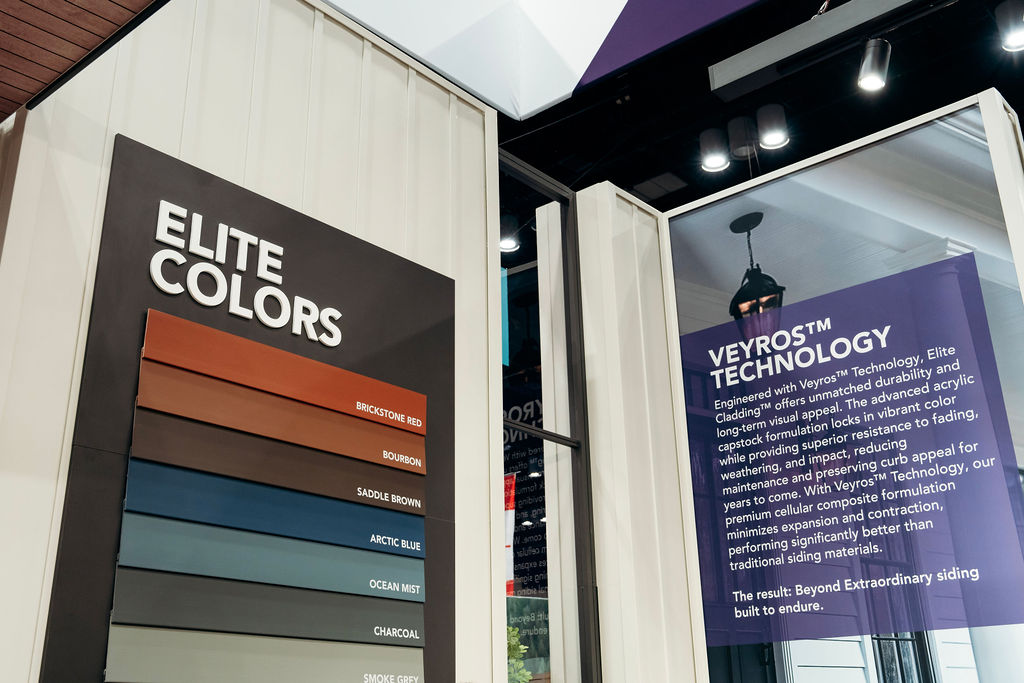
There are a lot of good options on the market when it comes to aesthetics and design. Fiber cement has some great wood-like finishes. Natural wood, engineered wood, and metal looks great too, and traditional vinyl siding is improving but it still lacks that premium look.
Elite Cladding® cellular PVC siding has a premium look that is clean, modern with a wide variety of consistent finishes and colors – thanks to the Veyros™ Technology. I really love the colors – they are classy and sophisticated, and will elevate any home.
Cost vs Long-Term Value
When it comes to cost, traditional vinyl is usually your lowest upfront option—but you’ve got to be honest about what you’re getting. It’s a short-term solution, not a long-term investment.
Fiber cement sits in that mid-to-higher range, and when it’s installed properly, it can deliver solid long-term performance. Metal siding also comes in at a mid-to-high cost, but its longevity, low maintenance, and resistance to rot and pests give it solid long-term return. Engineered wood is a mid-range option that balances appearance and cost, but it still requires maintenance to protect its value over time. Traditional wood is typically more expensive over its lifespan due to ongoing painting, staining, and repairs, despite its natural look.
Premium cellular PVC provides long-term durability and value – the real contenders are fiber cement, metal and premium cellular PVC.
Now, I’ll be straight with you. My preference leans toward Elite Cladding® premium cellular PVC siding. It’s a high-performance product that takes a lot of the worry out of the equation—less maintenance, far lower moisture risk, and no rot concerns you typically see with other materials. And when it’s installed as part of a proper system, it holds up and keeps looking good for years, even in tough weather conditions.
What Is the Best Exterior Siding Material Overall?
I like the premium cellular PVC siding by Elite Cladding® and here is what makes it stand-out:
- 100% moisture-resistant (does not absorb water)
- Structurally stable (less expansion/contraction vs traditional vinyl)
- Thicker, more rigid profiles
- Superior installation system
What Exactly Is Cellular PVC Exterior Siding?
Cellular PVC siding is basically a high-performance, engineered alternative to traditional siding. It’s made from PVC that’s been foamed into a rigid, closed-cell material—so it doesn’t absorb water, won’t rot, won’t warp, and bugs won’t touch it. You get something that’s lightweight, tough, and built to last without all the maintenance headaches of wood or the weaknesses of traditional vinyl.
Now, when you step up to something like Elite Cladding®, you’re not just getting a material—you’re getting a superior system too. It’s designed to look like real wood with features like a durable cap layer for UV protection, tight-locking panels to keep moisture out, and color that runs all the way through, it’s built to hold up and keep looking good over time.
It’s siding that’s made to take a beating from the elements and still do its job, without constant upkeep. That’s what you want.
Best Siding for North American Weather
When you’re building for North American weather, your siding has to handle it all—freeze-thaw cycles, heavy snow, moisture, and temperature swings. That means choosing a material that won’t absorb water, crack, or break down over time. Traditional vinyl can struggle in extreme cold, wood and engineered wood need constant upkeep, and even fiber cement can have issues if moisture gets in. High-performance options like premium cellular PVC really stand out here—especially systems like Elite Cladding® which are built to resist moisture, handle freeze-thaw conditions, and hold their shape in tough climates. At the end of the day, you want siding that doesn’t just survive the weather—it’s built for it.
READ NEXT:
How to Choose the Best Premium Cellular PVC Siding for Your Home
Cellular PVC Siding | 11 Benefits of Elite Cladding for North American Homes
Cost Breakdown of Exterior Siding – How Much Does Exterior Siding Cost?
When you’re looking at the cost of exterior siding, you’ve got to break it down properly—because it’s not just about the material. On average, traditional vinyl siding sits at the low end around $4–$8 per sq. ft. installed, making it the most budget-friendly option, while fiber cement typically ranges from $8–$14+ per sq. ft., and wood, engineered wood, and metal can climb into the $8–$20+ range depending on quality and design . Premium systems like cellular PVC fall into that higher tier as well. But here’s what most people miss—installation can make up a huge portion of the cost (approximately 40-60%), especially on complex homes or when repairs are needed underneath. And when you look at long-term ROI, cheaper isn’t always better. Traditional vinyl saves money upfront, but materials like fiber cement and cellular PVC tend to deliver better durability, fewer repairs, and stronger resale value over time.
What Actually Matters More Than Material
Here’s the most important part, like with most things you can have a fantastic product, but if it’s installed incorrectly or a stage is missed in the process – the whole system suffers and does not perform as it should.
The truth is that installation and system design is what is going to give you the best results. Here are the common mistakes homeowners make when choosing siding:
- Choosing based on price only
- Ignoring climate compatibility
- Not factoring in maintenance
- Poor installation choices
Choosing the right siding comes down to more than just price—it’s about value over time. You can go with a lower-cost option like traditional vinyl and save upfront, but you may pay for it later in repairs or replacement. Spending more on materials like fiber cement or premium cellular PVC can give you better durability, less maintenance, and stronger long-term performance. The key is to look at the full picture—material, installation method, and how it’s going to hold up in your climate. Do it right the first time, and you’re not just improving how your home looks—you’re protecting your investment for years to come.
FAQs About Exterior Siding
- What siding lasts the longest?
Well, there are a few exterior siding options that are made to last a long life-span, mostly due to the material, like brick and stone. However, other factors need to be considered like installation quality, climate especially in harsh climates, and maintenance.
- What is the cheapest siding option?
Generally, traditional vinyl siding is the cheapest option. It’s affordable, low maintenance, durable and comes in a variety of colors. Aluminum is another cheaper material. But don’t just consider the material, there’s labor too which adds to the cost. I wouldn’t recommend this as a DIY project, unless you’ve done your research and are confident in your skill.
- What siding adds the most value?
Fiber cement siding is generally considered one of the favorites and adds the most value to a home. It is highly valued for its exceptional durability, fire resistance, and wood-like aesthetic, making it a top choice for increasing resale value
- Is traditional vinyl siding exterior good in Canada?
Yes, traditional vinyl siding is an excellent choice – it’s popular and cost-effective and it is used on the majority of houses. It is highly durable and low maintenance. However, cheap versions can crack and fade especially in colder climates, and it’s better to choose a thick or insulated vinyl. Of course, there are higher end options, but it is ideal as a low-budget option.
READ NEXT:
Common Siding Mistakes Homeowners Make
Is Premium Cellular PVC Siding Worth the Investment? Pros, Cost & Value
Related Articles
Trick Or Threat – How...
Halloween Home Safety Tips: How to Prepare Your Home for Trick-or-Treaters Halloween is one of...
Indoor Fall Home Maintenance Checklist
Fall Home Maintenance Checklist: Get the Inside of Your Home Ready for Winter Small home...

10 Heat Pump Questions Homeowners...
Heat Pump FAQ Heat pumps have been around for awhile now but recently they've been...