





How Do Clogged Gutters Cause Foundation Problems Your gutters are designed to collect rainwater from the roof and direct it safely away from your home through downspouts. When they’re...

The Link Between Clogged Gutters and Foundation Cracks
By Mike Holmes
Mike’s Advice / Home Safety & Maintenance
Tuesday, September 1st, 2026 @ 9:18am
How Do Clogged Gutters Cause Foundation Problems
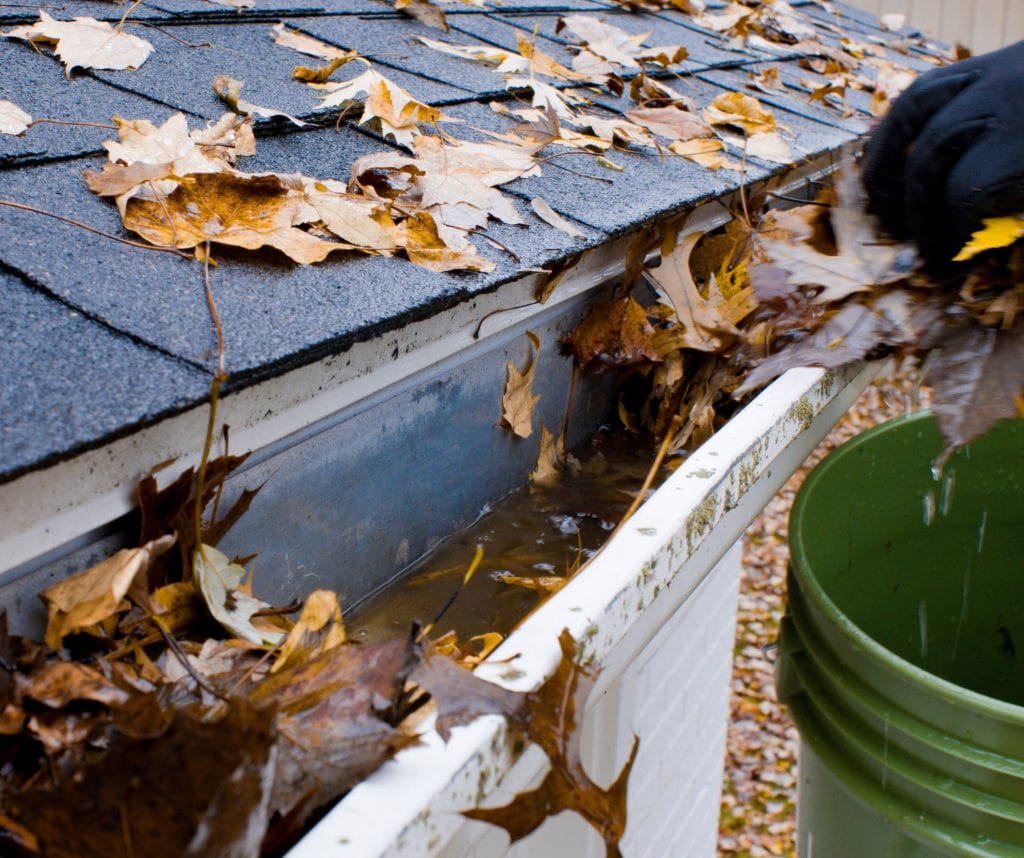
Clogged gutters can contribute to foundation issues.
Your gutters are designed to collect rainwater from the roof and direct it safely away from your home through downspouts. When they’re clogged, water overflows and spills down the exterior walls, pooling near the base of your home.
In Canada and across the northern U.S., we deal with heavy rain, snow buildup, and freeze-thaw cycles. That combination is brutal on foundations. Excess water saturates the soil around your home. In winter, that water freezes and expands. When it thaws, the soil shifts. That constant shifting and movement puts pressure on your foundation walls.
Over time, that pressure leads to cracks and can cause water intrusion.
What Are Foundation Cracks?
Here’s what homeowners need to know about the different types of foundation cracks.
1. Hairline Foundation Cracks
These are thin, vertical cracks often caused by normal concrete shrinkage during curing. They’re common in new builds.
Homeowners should monitor them. If they don’t widen, they may not be structural. Seal them with an epoxy or polyurethane injection to help prevent water intrusion.
2. Vertical Foundation Cracks
Vertical cracks are typically caused by settling. If they’re narrow and stable, they’re usually less serious.
Homeowners should get them sealed properly to keep moisture out. But, as with all cracks, keep an eye on them. If they widen over time, bring in a professional to assess movement.
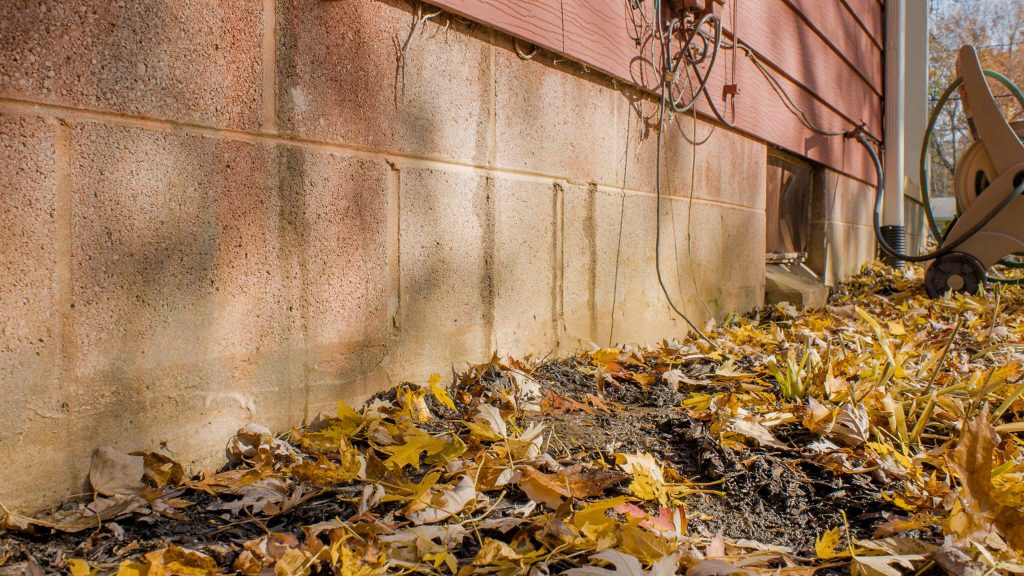
Learn to recognize the signs of serious foundation cracks.
Mike’s Homeowner Tip: Don’t rush to finish your basement in a new build—give it a year or two. That time lets the house settle, moisture to work its way out, and any leaks or cracks show up before you cover everything with drywall and flooring. If you finish too soon, you could end up tearing it all out for warranty repairs, or worse, hiding serious problems. Do it once, do it right.
3. Horizontal Foundation Cracks
This is where I get concerned. Horizontal cracks often mean hydrostatic pressure — water-saturated soil pushing against the foundation wall.
Homeowners should consult with a basement foundation specialist to find the best solution. A structural engineer may also be required as structural reinforcement, like carbon fiber straps or wall anchors may be the solution. Don’t ignore these signs; it could be serious.
4. Stair-Step Foundation Cracks
Common in block foundations. These follow the mortar joints and usually indicate foundation movement.
Homeowners need a professional evaluation. The repair could involve crack injection, reinforcement, or addressing drainage and soil issues.
No matter the type of cracks you notice, if water keeps collecting around your foundation because of clogged gutters, the problem will only get worse.
RELATED: HOW SERIOUS IS A CRACK IN YOUR FOUNDATION?
Click Here To Find a US LeafFilter Installer
Click Here To Find a Canadian LeafFiler Installer
Poor Water Management Is the Real Problem for Foundation Cracks
Most foundation issues I see start at the roofline. If your gutters are constantly clogged, overflowing, or pulling away from the house, water isn’t being directed away properly.
That’s why I’m a big believer in prevention.
One solution I recommend is installing a professionally designed gutter protection system like LeafFilter. LeafFilter is designed to keep debris out while allowing water to flow freely. That means your gutters stay cleared out, and water is directed safely through the downspouts and away from your foundation.
When you eliminate clogs inside your gutters, you dramatically reduce the risk of overflow and water pooling around your home.
And that’s how you protect your foundation.
RELATED:
6 Reasons Why You Should Install Gutter Guards9 Signs Your Gutters Were Installed Incorrectly
Practical Steps to Protect Your Home from Foundation Cracks
Here’s what every homeowner should be doing:
-
Check Your Gutters Regularly
If you don’t have protection installed, inspect and clean out your gutters at least twice a year — more if you have overhanging trees.
-
Extend Downspouts
Downspouts should discharge water at least 4–6 feet away from the foundation. Use extensions if necessary.
-
Check Your Grading
The soil around your home should slope away from the foundation. If it slopes toward the house, water will collect there.
-
Seal Cracks Early
Small cracks are much easier and cheaper to repair than structural failures. Don’t wait until you see water in your basement.
-
Consider Gutter Protection
A system like LeafFilter helps reduce maintenance and ensures water flows where it should — away from your home.
RELATED:
Seams that drip or leak are often a sign of sloppy connections or poor sealing. This is often caused by low-quality caulking or misaligned joints. If this keeps happening, and doesn’t get resolved, the damage risks and issues are only going to get worse. Consider upgrading to seamless gutters — they’re custom-fit and less prone to leaks.
Ignoring the Signs Could Spell Trouble
If water keeps pooling around your foundation, here’s what can happen:
- Basement leaks
- Mold growth
- Structural wall movement
- Bowing or shifting foundation walls
- Expensive underpinning or structural repairs
And trust me — foundation repairs are not cheap.
Managing water at the roofline is one of the smartest investments you can make in your home. A clogged gutter might seem minor, but left unchecked, it can turn into a major structural issue.
Your foundation supports everything above it. Protect it.
Keep your gutters cleared out. Direct water away. Fix small cracks before they grow. And invest in solutions like LeafFilter that help you stay ahead of the problem. Prevention is always better — and cheaper — than repair.
READ NEXT:
Related Articles

Can Clogged Gutters Cause Basement...
Why Basement Flooding Often Starts at the Roofline When homeowners call me about a wet...

Mike Holmes on 3M™ Smog-Reducing...
Can a Roof Clean the Air? The Truth About Smog-Reducing Shingles Technology isn’t just about...

FAQ: All You Need to...
Roof & Gutter Protection: Your Complete Homeowner FAQ Guide On this new Holmes on...