




Do Gutter Guards Really Work? I get a lot of homeowners asking me if gutter guards are worth it, and the short answer is “yes’. Gutter guards can work very...
Mike Holmes’ Guide to Basement Waterproofing: How to Prevent Costly Water Damage in Canadian Homes
By Guest Post
Mike’s Advice / Home Renovation
Monday, May 4th, 2026 @ 11:33am
Basement Waterproofing: Stop Leaks Before They Cost You Thousands
When it comes to protecting your home, few things are as important—and as overlooked—as basement waterproofing. Just ask contractor and TV host Mike Holmes. After decades of fixing construction disasters, he’s seen firsthand how water damage can quietly destroy a home from the ground up. If you have watched Holmes on Homes, you would have seen Mike Holmes rip apart basements to find hidden leaks, mold and water damage. That’s why basement waterproofing needs to be top of mind.
If you live in Canada—especially in places like Ontario where freeze-thaw cycles, heavy rain, and clay soil are common—your basement is at risk. The good news? With the right approach, you can prevent expensive damage before it starts. It’s all about home maintenance.
Why Basements Leak (And Why It’s So Common in Canada)
Basements are naturally vulnerable because they sit below ground level, surrounded by soil that holds moisture. Over time, that moisture builds pressure against your foundation—a force known as hydrostatic pressure.
In Canadian climates, the problem gets worse:
- Snow melts in the spring, saturating the soil
- Heavy rainstorms increase groundwater levels
- Freezing and thawing cause foundation cracks
Even a well-built home can develop issues if proper waterproofing wasn’t done—or if it’s deteriorated over time.
Signs Your Basement Has a Waterproofing Problem
Water damage doesn’t always show up as a dramatic flood. Often, it starts small and gets worse over time. Here’s what to watch for:
- Damp or musty smells
- Water stains on walls or floors
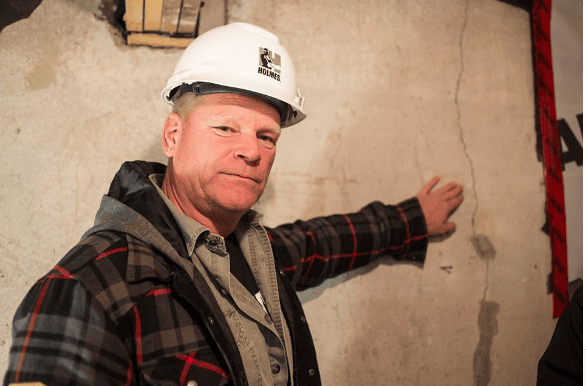
- Efflorescence (white, chalky residue on concrete)
- Peeling paint or bubbling drywall
- Mold or mildew growth
- Cracks in foundation walls or floors
According to Mike Holmes, if you notice any of these signs, don’t ignore them. What seems minor now can turn into a major structural issue later.
On one episode of Holmes on Homes, a homeowner discovered repeated basement flooding after heavy rainfall. The original builder had failed to install proper exterior weeping tile and had graded the soil toward the house instead of away from it. As a result, water was constantly pooling against the foundation and eventually seeping through cracks into the basement.
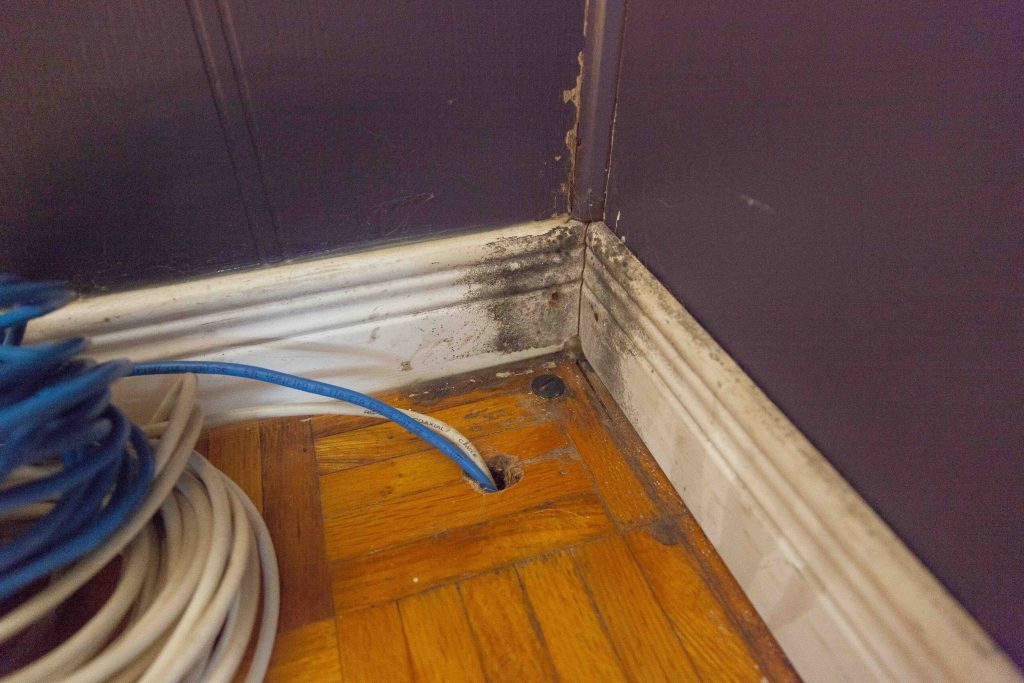
Mike Holmes’ Tip: mold is usually a symptom, not the root problem.
RELATED: 5 Mistakes Mike Holmes Finds in Basement Renovations
Interior vs. Exterior Waterproofing: What’s the Difference?
One of the biggest misconceptions homeowners have is thinking all waterproofing solutions are the same. They’re not.
Exterior Waterproofing: Stopping Water Before It Reaches the Foundation
Exterior waterproofing is the more permanent, Holmes-Approved solution. It involves digging around the outside of the foundation to expose the walls, sealing cracks, applying a waterproof membrane, and installing or repairing drainage systems like weeping tile so water is directed away before it ever enters the home. It’s essentially stopping water at the source—on the outside of the structure.
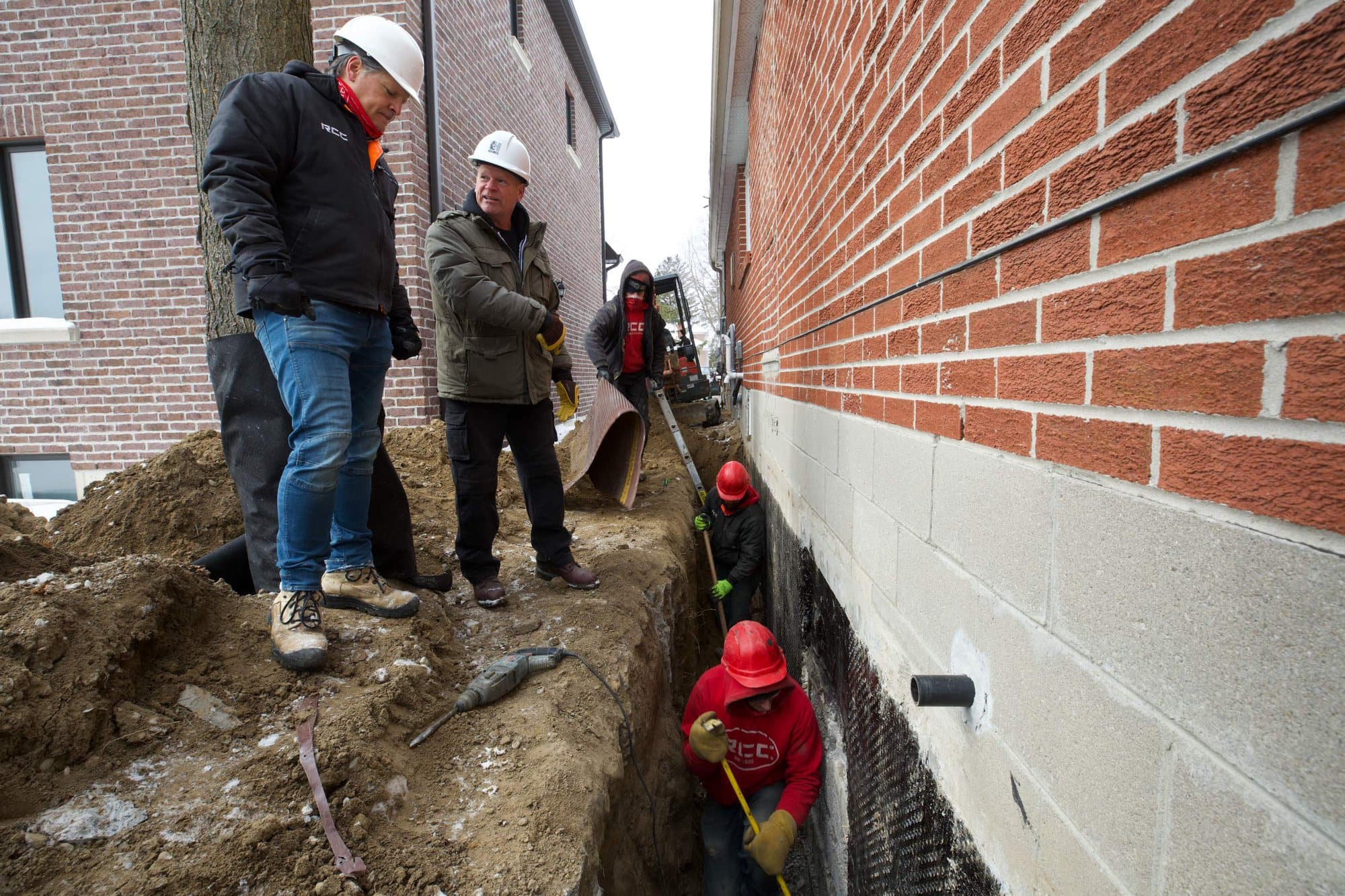
Interior Waterproofing: Managing Water After It Enters the Basement
Interior waterproofing, on the other hand, manages water after it has already entered or is trying to enter the basement. This typically includes systems like interior drainage channels, sump pumps, and vapor barriers that collect and redirect water away from the basement floor and out of the home. It doesn’t prevent water from reaching the foundation—it controls it once it gets in.
Exterior Waterproofing (The Holmes-Approved Method)
This approach prevents water from getting in at all:
- Excavating around the foundation
- Installing waterproof membranes
- Adding proper drainage systems (like weeping tiles)
Mike Holmes consistently emphasizes doing it right the first time. The Holmes Approved way is usually exterior waterproofing.
Interior Waterproofing
This method manages water after it enters your basement:
- Interior drainage systems
- Sump pumps
- Sealants and coatings
It’s typically less expensive, but it doesn’t stop water from reaching your foundation.
Poor grading is one of the most common—and most overlooked—causes of basement leaks and foundation damage.
Mike Holmes’ Must-Do Steps to Proper Basement Waterproofing
If you want to truly protect your home, here’s what Mike Holmes recommends:
1. Fix Grading Around Your Home
Make sure the ground slopes away from your foundation so water doesn’t pool. Grading isn’t just a “nice to have” landscaping detail. It’s part of the home’s water management system, working alongside gutters, downspouts, and drainage. If any one of those systems fails, especially grading, water will find the path of least resistance—usually straight into the basement.
2. Upgrade Your Gutters and Downspouts
Extend downspouts at least 6–10 feet away from your home. A solid gutter guard system is A MUST. Gutters only work if they can actually do their job. Gutters guards are responsible for collecting and directing water away from the home. When gutters clog with leaves and debris, water overflows, runs down exterior walls, saturates the soil, and can eventually lead to basement leaks, foundation damage, and rot in fascia and soffits.
Here are signs your gutter guards were installed incorrectly.
3. Install or Replace Weeping Tile Systems
These underground pipes help redirect water away from your foundation.
4. Seal Foundation Cracks Properly
Not all cracks are equal—some require professional structural repair. Read more about horizontal and vertical foundation cracks here.
5. Invest in a Quality Sump Pump System
A backup battery system is a smart move, especially during storms. A sump pump is a small, mechanized water pump located in a lined hole called a sump pit. When the water level in the sump pit reaches a certain height, the sump pump turns on automatically and expels the water. When the water level drops far enough, the pump turns off.
The sump pump’s job is to remove excess water from your home. Here is why your basement needs a sump pump.
DIY vs. Hiring a Pro: What Mike Holmes Recommends
DIY solutions like sealants or waterproof paint can help temporarily—but they’re not a permanent fix for serious issues.
Mike Holmes strongly advises hiring qualified professionals for:
- Structural cracks
- Full waterproofing systems
- Drainage installation
A proper job protects your home for decades—not just a season.
RELATED
Related Articles

Trick Or Threat – How...
Halloween Home Safety Tips: How to Prepare Your Home for Trick-or-Treaters Halloween is one of...
Indoor Fall Home Maintenance Checklist
Fall Home Maintenance Checklist: Get the Inside of Your Home Ready for Winter Small home...

10 Heat Pump Questions Homeowners...
Heat Pump FAQ Heat pumps have been around for awhile now but recently they've been...