





When you think about skilled trades, baking might not be the first career that comes to mind. But after spending a day learning from two talented young professional bakers, I...

Can Clogged Gutters Cause Basement Flooding?
By Mike Holmes
Mike’s Advice / Home Safety & Maintenance
Tuesday, August 18th, 2026 @ 8:49am
Why Basement Flooding Often Starts at the Roofline
When homeowners call me about a wet basement, they usually think the problem starts at the foundation. Maybe they have spotted cracks in the wall or noticed water coming in through the windows. But here’s what I’ve seen time and time again: basement flooding often starts at the roofline.
Water always follows the path of least resistance. If you’re not controlling it from the top of your home, you’re asking for trouble at the bottom.
Let me explain.
Can Gutters Really Cause Basement Flooding?
The short answer is yes. Many homeowners are surprised to learn that basement flooding often begins with a gutter problem. Gutters are designed to collect rainwater from your roof and direct it safely away from your home’s foundation. When they become clogged with leaves, twigs, and debris, water can no longer flow through the system properly.
Instead, it spills over the sides of the gutter and pools around the foundation. Over time, this excess moisture saturates the soil and creates hydrostatic pressure against basement walls. Even small cracks or weak points in the foundation can allow water to seep inside.
The longer this cycle continues, the greater the risk of basement leaks, foundation damage, mold growth, and costly repairs.
That’s why I always tell homeowners that water management starts at the roofline. Keeping your gutters clear and functioning properly is one of the most effective ways to reduce the risk of basement flooding.
RELATED
9 Signs Your Gutters Were Installed Incorrectly
Your Roof Collects Thousands of Gallons of Water

Every time it rains, your roof collects a massive amount of water. A standard 2,000-square-foot roof can shed thousands of gallons during a heavy storm.
That water needs somewhere to go—and it needs to go there fast and away from your home.
If your gutter system isn’t working properly, water spills over the edge, pools around your foundation, and starts working its way down into your basement. Over time, constant saturation weakens the soil, increases hydrostatic pressure, and exposes even small foundation vulnerabilities.
The result? Leaks, cracks, and basement flooding.
RELATED
6 Reasons Why You Should Install Gutter Guards
How Much Water Comes Off a Roof During a Storm?
Most homeowners underestimate just how much water their roof collects during a rainstorm.
A typical 2,000-square-foot roof can shed more than 1,200 gallons of water during just one inch of rainfall. During a heavy storm, that number increases dramatically.
Now imagine all of that water pouring directly beside your foundation because your gutters are clogged or your downspouts aren’t directing water far enough away from the house.
Without proper drainage, water can quickly saturate the soil around your home and increase the likelihood of foundation settlement, cracks, and basement leaks.
This is why every part of your water management system matters—including your gutters, downspouts, grading, and drainage extensions.
Clogged Gutters Are a Major Cause of Foundation Problems
One of the most common issues I see is clogged gutters. Leaves, twigs, and debris block the flow of water, forcing it to overflow right beside the house.
When that happens:
- Water pours directly down exterior walls
- Soil around the foundation becomes oversaturated
- Window wells fill up
- Water seeps through foundation walls or floor joints
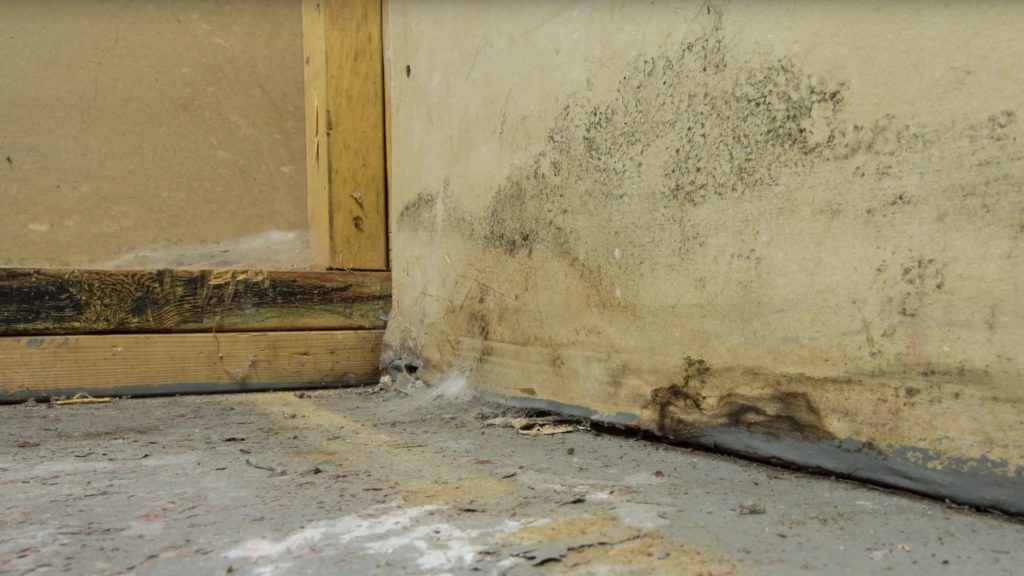
It doesn’t matter how good your basement waterproofing is—if you’re dumping water beside your house, you’re creating unnecessary risk.
That’s why maintaining your gutter system is critical. Even better? Installing protection that helps prevent clogs in the first place.
RELATED
Signs Your Gutters May Be Damaging Your Foundation
Many warning signs of foundation problems start outside long before water appears in the basement.
Watch for these common indicators:
- Water overflowing from gutters during rainfall
- Soil erosion around the perimeter of the home
- Pooling water near the foundation
- Mulch being washed away after storms
- Basement leaks or damp spots following heavy rain
- White chalky deposits (efflorescence) on foundation walls
- Cracks appearing in foundation walls or floors
- Gutters pulling away from the fascia
- Water stains on siding beneath the gutter system
If you’re seeing one or more of these signs, it’s worth investigating your gutter system before more significant damage occurs.
The Role of Proper Gutter Protection

Contact a LeafFilter Pro to find out more.
A quality gutter guard system keeps debris out while allowing water to flow freely through your gutters and downspouts. That uninterrupted flow is what protects your foundation.
Systems like LeafFilter Gutter Protection are designed with surgical grade stainless steel micro-mesh technology that filters out debris while handling heavy rainfall. The goal is simple: keep water moving away from your home.
If your gutters are constantly clogged, pulling away from the fascia, or overflowing during storms, it’s time to take that seriously. Proper drainage isn’t a luxury—it’s part of protecting the structural integrity of your home.
Downspouts Matter More Than You Think
Even if your gutters are clear, short or poorly placed downspouts can cause problems.
Downspouts should extend at least 4 to 6 feet away from the foundation. If they dump water right beside the house, you’re still saturating the soil.
Here’s what to check:
- Are downspouts properly connected?
- Do they extend far enough away?
- Is the grading sloped away from the house?
Water management is a system. Every part has to work together.
Poor Grading Makes Everything Worse
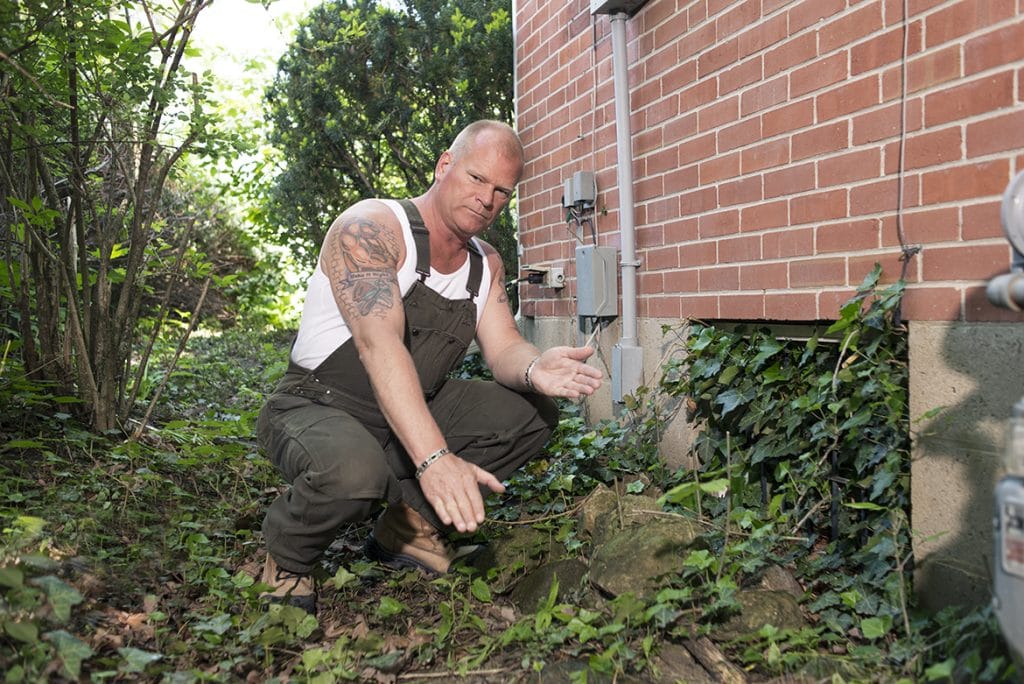
Let’s say your gutters overflow. Now combine that with negative grading—where the ground slopes toward your home instead of away from it.
That’s a recipe for basement flooding.
The soil around your foundation should slope down at least 6 inches over the first 10 feet from your home. Without that slope, water collects at the base of the house, increasing pressure against foundation walls.
Control water at the roofline first. Then make sure the ground supports that effort.
RELATED
Winter Makes Roofline Problems More Dangerous
When snow melts and refreezes at the roof edge, it traps water behind it. That water can seep under shingles and into your attic—and eventually down into wall cavities and basements.
Good drainage and proper gutter protection reduce that risk significantly.
Warning Signs Your Roofline Is Causing Basement Issues
If you notice any of these, look up—not down:
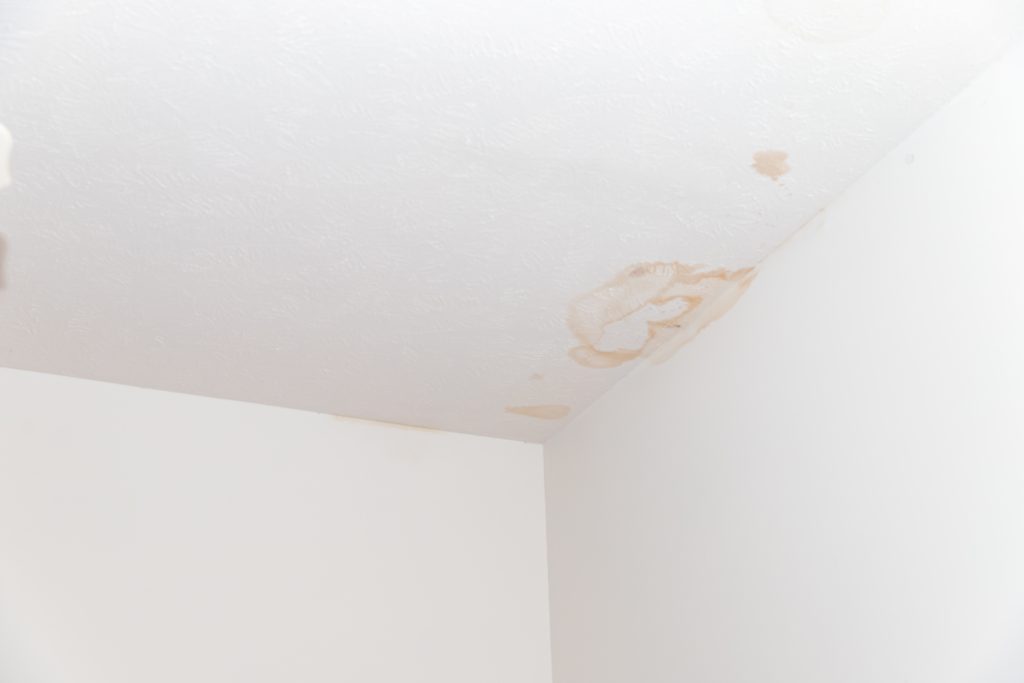
Stains on ceiling and wall from water leak
- Water stains near the top of foundation walls
- Overflowing gutters during rain
- Soil erosion around the perimeter of the house
- Pooling water near downspouts
- Basement leaks after heavy storms
The connection between your roof and your basement is direct. Ignore one, and you’ll pay for it in the other.
Why Prevention Is Less Expensive Than Water Damage Repairs
Many homeowners don’t think about their gutters until a problem appears. Unfortunately, by the time water reaches the basement, the damage may already be extensive.
Repairing foundation cracks, replacing damaged drywall, removing mold, and restoring finished basements can cost thousands—or even tens of thousands—of dollars.
Preventative maintenance is almost always the more affordable option. Regular inspections, proper downspout extensions, good grading, and a professionally installed gutter protection system can help reduce the likelihood of costly water damage in the future.
I’ve always believed that investing in prevention is one of the smartest decisions a homeowner can make. It’s far easier—and far less expensive—to manage water properly than it is to repair the damage water leaves behind.
Build It Right From the Top Down
I always say: fix the problem at the source.
To ensure your home is protected from the elements, managing water properly at the roofline needs to be considered. This includes clean, functioning gutters, and proper downspout extensions. Homeowners also need to ensure there is proper grading around the home (sloping away from the foundation) and your foundation is free of cracks. Not all foundation cracks are serious, but you do want to keep an eye on them. Adding a reliable gutter protection like LeafFilter Gutter Protection to reduce maintenance and help prevent clogs is a wise investment.
When you control water at the top of the house, you protect everything below it.
Your basement shouldn’t flood because of something that starts at your roof.
Frequently Asked Questions About Gutters and Basement Flooding
Can clogged gutters cause foundation damage?
Yes. When gutters become clogged, water overflows and collects around the foundation. Repeated exposure to excess moisture can weaken the soil, increase hydrostatic pressure, and contribute to foundation cracks and settlement issues.
Can overflowing gutters cause basement leaks?
Absolutely. Overflowing gutters allow water to accumulate near the base of your home. As the soil becomes saturated, water can find its way through cracks, joints, and other vulnerable areas of the foundation, resulting in basement leaks.
How far should downspouts extend from a house?
Most experts recommend extending downspouts at least 4 to 6 feet away from the foundation. The goal is to move water far enough away that it cannot easily flow back toward the house.
Do gutter guards help prevent basement flooding?
Gutter guards can help reduce the risk of basement flooding by preventing leaves, twigs, and other debris from clogging the gutter system. A professionally installed gutter protection system like LeafFilter helps maintain water flow and supports proper drainage away from the foundation.
What causes water to pool around a foundation?
Common causes include clogged gutters, short downspouts, improper grading, compacted soil, and poor drainage around the home. Identifying and correcting these issues can help reduce the risk of water intrusion.
RELATED
The Ultimate Guide to Choosing the Best Roofing Shingles: Atlas Roofing Pinnacle® Shingles Review
Related Articles

Trick Or Threat – How...
Halloween Home Safety Tips: How to Prepare Your Home for Trick-or-Treaters Halloween is one of...

Indoor Fall Home Maintenance Checklist
Fall Home Maintenance Checklist: Get the Inside of Your Home Ready for Winter Small home...

10 Heat Pump Questions Homeowners...
Heat Pump FAQ Heat pumps have been around for awhile now but recently they've been...