





Electrical Considerations When Buying A Home My Dad’s best advice for new homebuyers is to always have an excellent real estate agent and home inspector lined up before purchasing a...
Old Pipes Hidden Dangers: Why Every Home Needs a Plumbing Inspection
By Mike Holmes
Mike’s Advice / Home Renovation
Friday, March 6th, 2026 @ 8:26am
Every home needs a plumbing inspection, especially if you have old pipes. Plumbing issues are one of the most overlooked parts of home maintenance. Many homeowners only think about plumbing when there’s a visible problem—like a leaking sink, a clogged toilet, or low water pressure. But the most serious plumbing issues often stay hidden for years, concealed behind walls, beneath concrete floors, or underground below the foundation.
Older pipes don’t fail suddenly. They deteriorate slowly over time, often without warning, until they cause costly damage. A professional plumbing inspection helps uncover hidden risks early, protecting your home from unexpected repairs and long-term structural issues.x
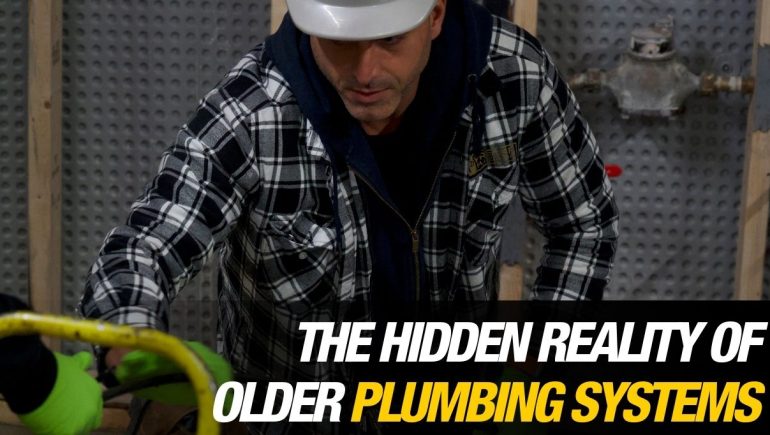
The Hidden Reality of Older Pipes and Plumbing Systems
Many homes across Ontario and Canada were built with materials and layouts that no longer meet today’s standards. Over time, these systems degrade due to age, water quality, ground movement, and outdated design.
Common hidden issues include:
- Clay sewer pipes cracking or shifting underground
- Galvanized water lines corroding from the inside out
- Lead water services still supplying homes without the homeowner knowing
- Improper drain connections from past renovations
- Calcium and mineral buildup reducing pipe diameter and flow
The danger is that none of these problems are visible until something goes wrong—often at the worst possible time.
Why a Camera Drain Inspection Is Critical
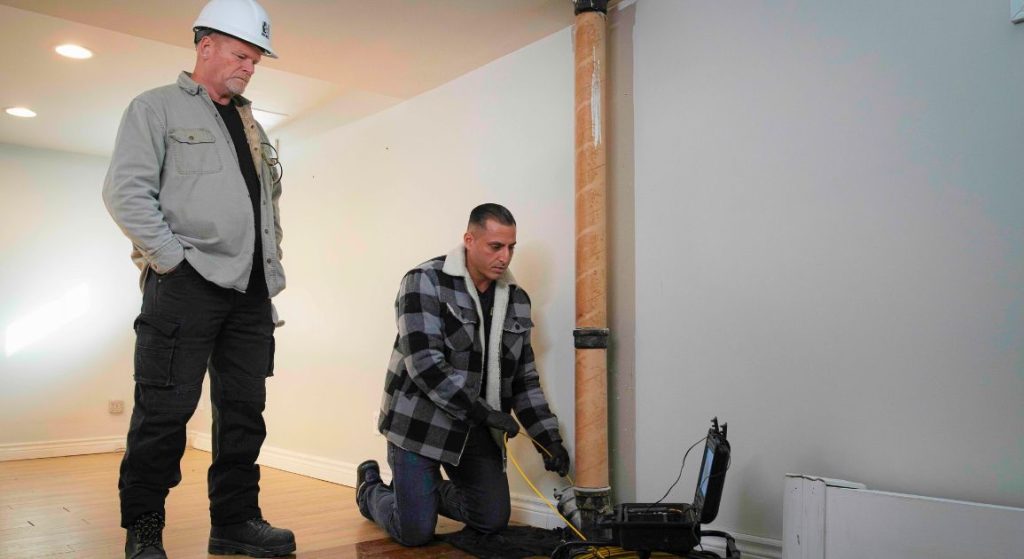
Naji from Precise Plumbing review the drain camera footage on the monitor.
One of the most important tools in modern plumbing is the drain camera. A proper inspection doesn’t involve guessing—it involves seeing exactly what’s happening inside your pipes.
With a camera inspection, a licensed plumber can:
- Identify pipe material (clay, cast iron, PVC, galvanized)
- Spot cracks, collapses, root intrusion, or heavy buildup
- Confirm whether drains are connected correctly
- Locate problem areas precisely—without tearing up floors
Homeowner tip: If a plumber says they scoped your drain, always ask for the video or recording.
Older Pipes + Renovations = Risk
One of the biggest plumbing risks today comes from renovations—especially basement renovations and secondary suites.
It’s not uncommon to find:
- Kitchen or bathroom drains tied into storm systems instead of sanitary
- Contractors connecting to the “closest pipe” without investigating where it goes
- No permits pulled, leaving homeowners fully liable
Leaving homeowners with beautiful finished spaces hiding serious plumbing defects that can require floors to be jackhammered and walls torn open to fix.
A plumbing inspection before or after renovations can prevent thousands of dollars in rework.
The Insurance and Resale Factor
Plumbing is responsible for more home damage claims than almost any other trade. Insurance companies know this—and they look for ways to deny coverage if:
- Work was done without permits
- A non-licensed contractor performed plumbing
- Problems existed but weren’t addressed
You may be left footing the bill.
On the flip side, documented plumbing inspections, permits, videos, and maintenance records add real value when selling your home. They show buyers that the home has been cared for properly—not just cosmetically upgraded.
RELATED: What Not To Flush Down The Toilet
Water Quality Makes Pipe Problems Worse
Even if your pipes are structurally sound, poor water quality can accelerate failure.
Hard water, high TDS (Total Dissolved Solids), iron, and chlorine can:
- Narrow pipe diameters with scale buildup
- Destroy hot water heaters prematurely
- Plug toilet jets and fixtures
- Reduce water pressure throughout the home
A proper plumbing inspection often includes water testing, because the condition of your water directly affects the lifespan of your plumbing system.
RELATED: The Red Flags We See in Bathroom Renovations Gone Wrong
Why Inspections Should Be Ongoing, Not One-Time
Plumbing systems age just like roofs, furnaces, and windows. Waiting for failure is the most expensive approach.
A professional plumbing inspection should include:
- Drain camera inspection
- Sump pump evaluation
- Water heater condition check
- Water quality testing
- Review of shutoffs, supply lines, and fixtures
- Documentation and recommendations
Many professional plumbing companies now offer annual inspection programs that catch issues early—before they turn into emergencies.
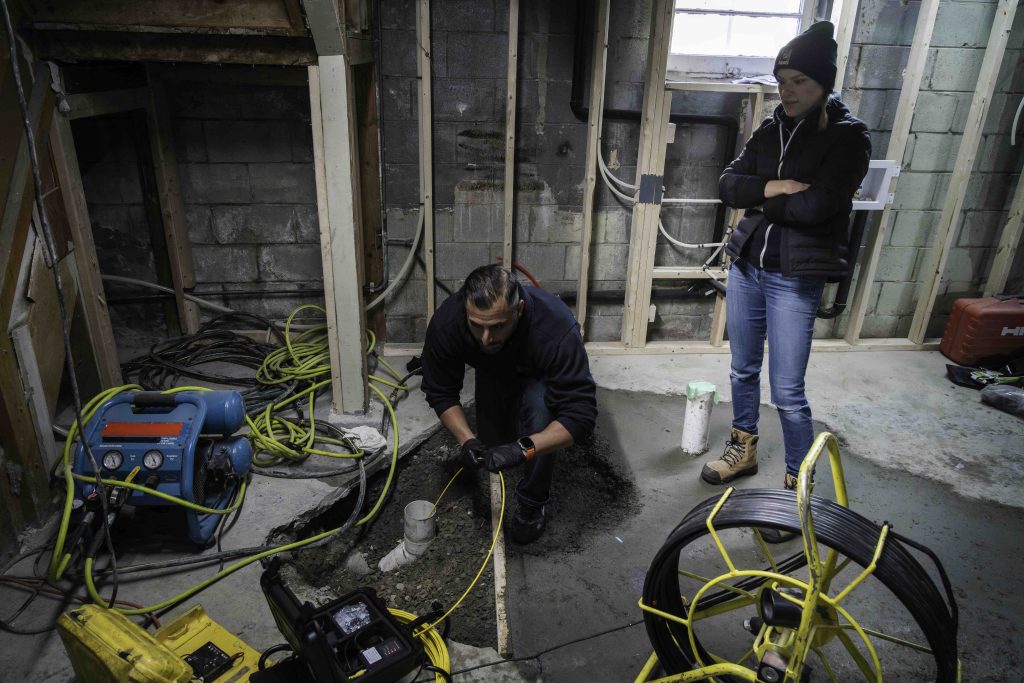
Naji from Precise Plumbing performs a drain inspection using a camera for one of our Holmes on Homes: Building a Legacy jobs.
The Bottom Line: Peace of Mind Is Worth It
You can renovate a kitchen, install new flooring, and paint every wall—but if your plumbing system is failing underground, none of that matters.
Old pipes don’t give warnings. They don’t wait for a convenient time. And they’re far more expensive to fix once they fail.
A plumbing inspection isn’t about fear—it’s about information, prevention, and protecting one of your biggest investments: your home.
If your house is older, recently renovated, or hasn’t been inspected in years, now is the time.
READ NEXT
Related Articles
What Is a Heat Pump...
How Do Heat Pump Water Heaters Work? You’ve seen us install tankless water heaters on...

Heat Pump Water Heater Installation:...
Is a Heat Pump Water Heater Right for You? Water heaters are one of the...

7 Reasons to Install a...
Shower Knee Walls: Enhancing Your Bathroom's Design and Functionality When you think about it, many...