





Fall Home Maintenance Checklist: Get the Inside of Your Home Ready for Winter Small home maintenance jobs have a way of turning into big problems when they’re ignored. I always...

Spring Thaw Gutter Problems: What Homeowners Miss
By Mike Holmes
Mike’s Advice / Home Safety & Maintenance
Monday, May 18th, 2026 @ 1:39pm
How Spring Thaw Can Damage Your Gutters and Foundation
When the snow starts to melt, most homeowners breathe a sigh of relief. Winter’s over, right? Not so fast. Spring thaw is one of the toughest times of year for your home — and your gutters are right in the middle of it. What many homeowners miss is that the real damage often doesn’t happen during the storm. It happens during the melt.
Let me break down what’s really going on — and what you can do about it.
Spring Thaw is Not Just Melting Snow — It’s Moving Water
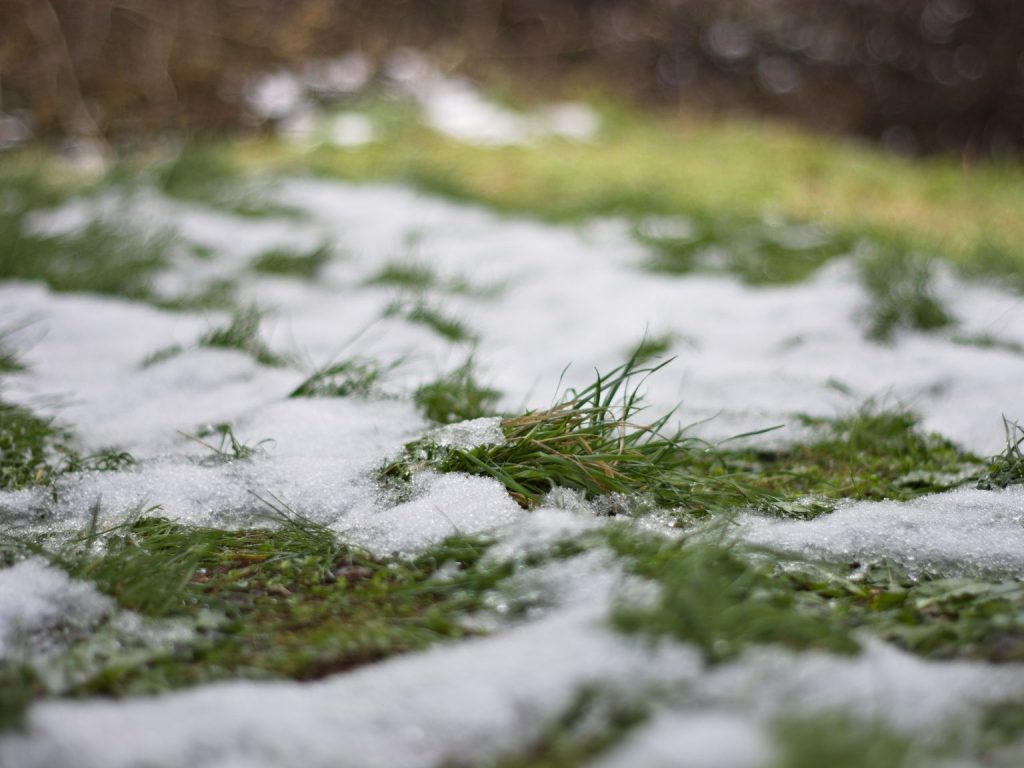
Spring time brings significant amounts of water that needs to be managed.
During winter, snow builds up on your roof. As temperatures fluctuate, that snow melts during the day and refreezes at night. Come spring, everything starts melting at once. That’s a massive volume of water your gutters need to manage quickly and efficiently.
If your gutter guards aren’t doing their job, that water will find somewhere else to go — behind your fascia, into your soffits, down your siding, or straight into your foundation.
Water always wins. That’s why I always stress the importance of a high-quality gutter guard system. The one we recommend is LeafFilter.
RELATED
9 Signs Your Gutters Were Installed Incorrectly
Spring Thaw and The Hidden Problem: Freeze-Thaw Stress
Most homeowners look for visible debris — leaves, twigs, and dirt. But what they don’t think about is what winter did to the system itself.
Ice is heavy. When gutters fill with ice, they expand and contract repeatedly. That freeze-thaw cycle can:
- Loosen fasteners
- Create small separations at seams
- Pull gutters away from the fascia
- Damage downspout connections
Even a small gap can let water run behind the gutter instead of into it. You may not notice it until you see peeling paint, wood rot, or staining on your siding.
That’s why I always say — inspect in the spring, not just the fall. Professional installation of your gutter guard system is very important. I’ve seen DIY gutter guards on the market, and those simply don’t offer the level of protection your gutters need.
Clogs in Spring Are Different
We all know that fall time brings leaves and debris that can clog gutters when not properly maintained, but spring time can result in issues too!
During winter, debris can freeze into solid blocks inside the gutter. When thaw hits, that frozen mass doesn’t always flush out. Instead, meltwater flows over top of it.
That overflow can dump hundreds of gallons of water right beside your foundation in a single day.
If your grading isn’t perfect — and let’s be honest, most isn’t — that water can seep into your basement.
RELATED
Why Downspouts Matter More Than You Think
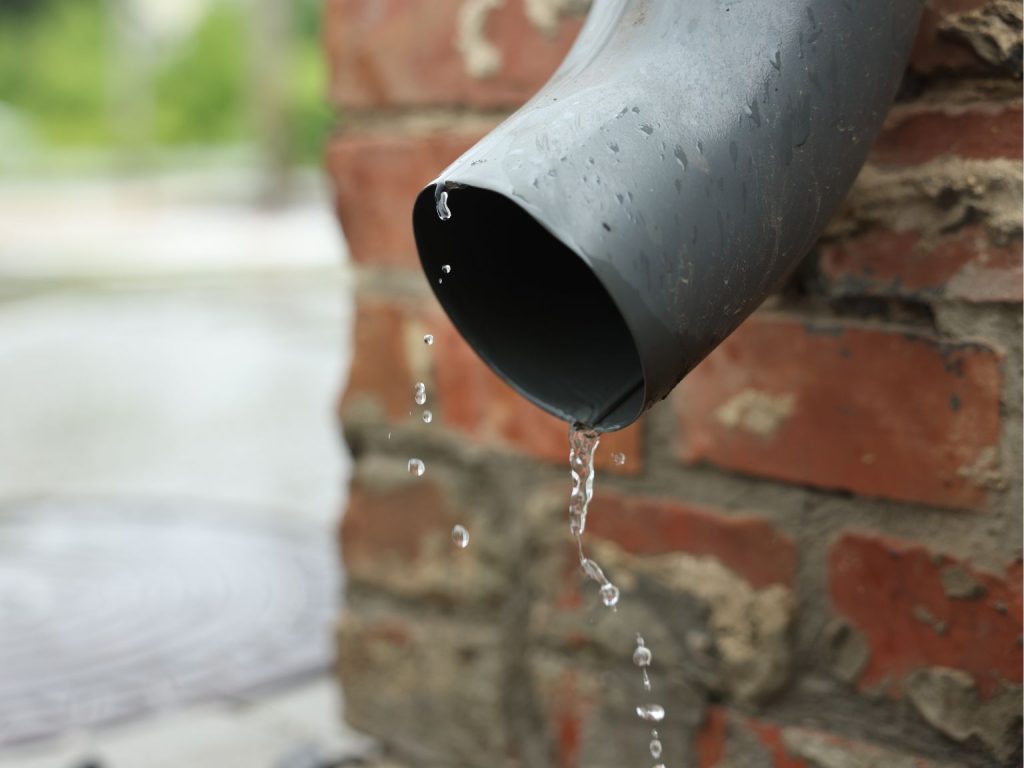
Downspouts extensions should be at least 6 feet from your foundation.
Your gutters are only half the system. Downspouts carry water away from your home. During spring thaw, they need to be completely clear.
I’ve seen homes where gutters were fine, but a frozen or clogged downspout caused water to back up and spill over.
Make sure your downspouts:
- Extend at least 6 feet from your foundation
- Are securely connected
- Drain away from walkways and window wells
- Aren’t crushed or disconnected at the elbows
This is basic stuff — but it makes a huge difference.
Gutter Guards: Do They Help in Spring?
Here’s where gutter protection systems can really make a difference.
A professionally installed system like LeafFilter is designed to keep debris out while allowing water in. That means fewer clogs heading into winter — and fewer ice-packed surprises come spring.
When gutters stay cleared out, water flows properly during thaw cycles. You’re reducing the risk of overflow, ice buildup, and unnecessary weight pulling on the system.
No product replaces proper installation and maintenance. But adding a high-quality gutter guard system can significantly reduce the amount of debris sitting in your gutters when freeze-thaw season hits.
And that’s the key — prevention before winter, not cleanup after damage.
RELATED
6 Reasons Why You Should Install Gutter Guards
What You Should Do This Spring
Here’s my spring thaw checklist:
1. Inspect the Entire Gutter System
Look for sagging, separation at seams, loose brackets, or water marks behind the gutter.
2. Check for Proper Slope
Water should flow toward downspouts — not sit in the middle. Standing water means improper pitch.
3. Clear and Flush Downspouts
Run water through the system and make sure it drains freely at the bottom.
4. Look at the Ground Below
Are there washouts? Mulch displacement? Soil erosion? Those are signs water isn’t being directed far enough away.
5. Consider Long-Term Protection
If you’re cleaning out heavy debris every year or dealing with recurring overflow, it may be time to look at a gutter protection system like LeafFilter to help reduce buildup and improve flow. Trusted by over a million homeowners, LeafFilter is engineered to significantly reduce gutter maintenance.
Spring thaw isn’t dramatic like a summer storm, but it can be just as damaging.
Your gutters are your home’s first line of defense against water damage. When they fail — even slightly — the problems multiply fast.
Take the time to inspect, repair, and protect them. Because when it comes to water management, cutting corners will always cost you more in the long run.
RELATED
Related Articles

Indoor Fall Home Maintenance Checklist
Fall Home Maintenance Checklist: Get the Inside of Your Home Ready for Winter Small home...

10 Heat Pump Questions Homeowners...
Heat Pump FAQ Heat pumps have been around for awhile now but recently they've been...

Lap Siding vs Board and...
When it comes to your home’s exterior, siding isn’t just about looks—it’s your first line...