






When it comes to your home, siding isn’t just about looks—it’s your first line of defense. It protects your house from the elements, helps control energy efficiency, and plays a...
9 Signs Your Gutters Were Installed Incorrectly
By Mike Holmes
Mike’s Advice / Home Safety & Maintenance
Tuesday, December 30th, 2025 @ 11:26am
Your gutters play a bigger role in protecting your home than most people realize. Be aware of these 9 signs your gutters were installed incorrectly. When they’re installed properly, they channel water away from your roof, walls, and foundation — helping keep your home more dry and free of moisture damage. But when they’re not installed right, you could be dealing with leaks, wood rot, or even basement flooding before you know it.
Here are 9 signs your gutters were installed incorrectly and what to look out for before the damage gets worse.
#1. Water Overflowing During Rain
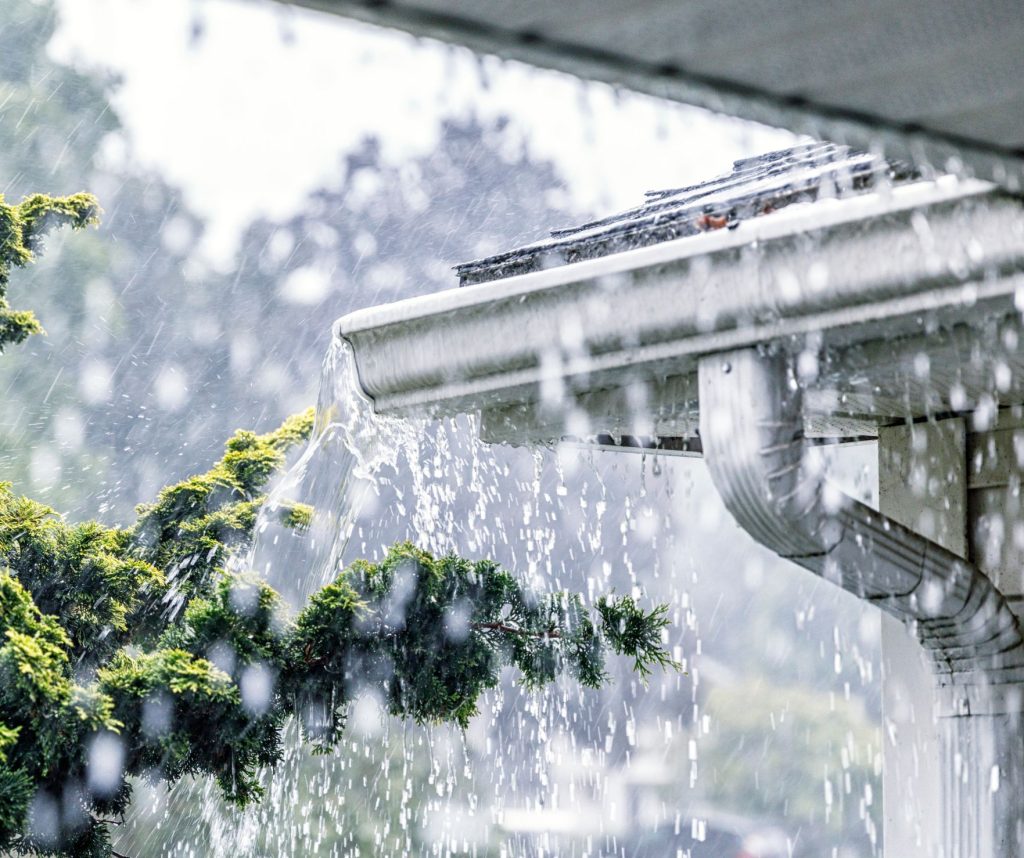
Overflowing gutters could mean your gutters are clogged.
If you see water spilling over the edges of your gutters during a regular rain, it’s a major red flag. This needs to be addressed right away. The gutters might not have the right slope, the downspouts could be too small, or there just aren’t enough of them. Overflowing gutters send water down your siding and around your foundation. This can lead to leaks in your siding, roof, or fascia, and erosion in your home’s foundation and landscaping.
#2. Sagging or Pulling Away from the Fascia
Gutters should fit snugly against your roofline. If they’re hanging or drooping, chances are the hangers were spaced too far apart or the fasteners weren’t properly secured. These gaps allow water to sneak behind the gutter, rotting fascia boards and damaging soffits.
#3. Standing Water in the Gutters
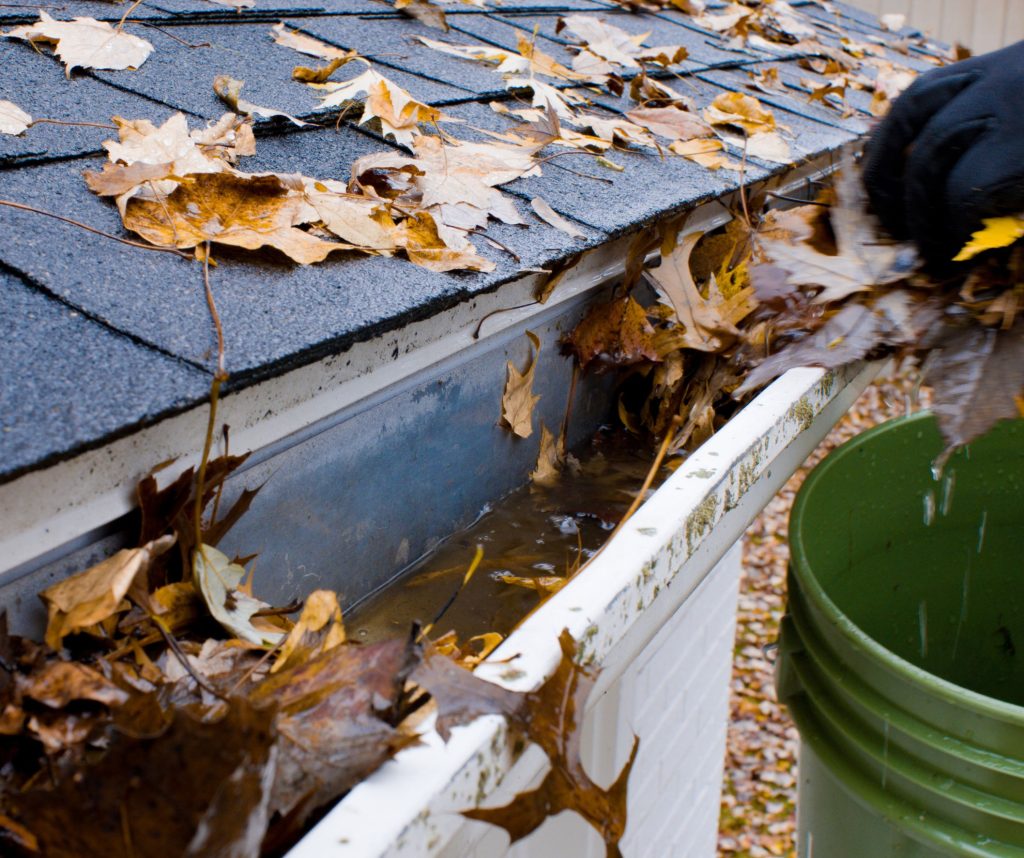
Standing water in your gutters could mean blockages.
After a rainstorm, take a quick look inside your gutters. If you see standing water, your gutters are not sloped correctly. A proper slope is essential and should be about ¼ inch for every 10 feet toward the downspout. When gutters hold water, it adds extra weight, which can cause sagging, rust, or mildew growth over time.
RELATED: Winter Home Maintenance (12 Tips)
MIKE’S TIP: Whether you use gutter guards or not, you still need to do regular maintenance and visual inspections around your property. This is essential for identifying potential problems early and ensuring your entire gutter system functions optimally all year long.
#4. Leaks at the Joints or Ends
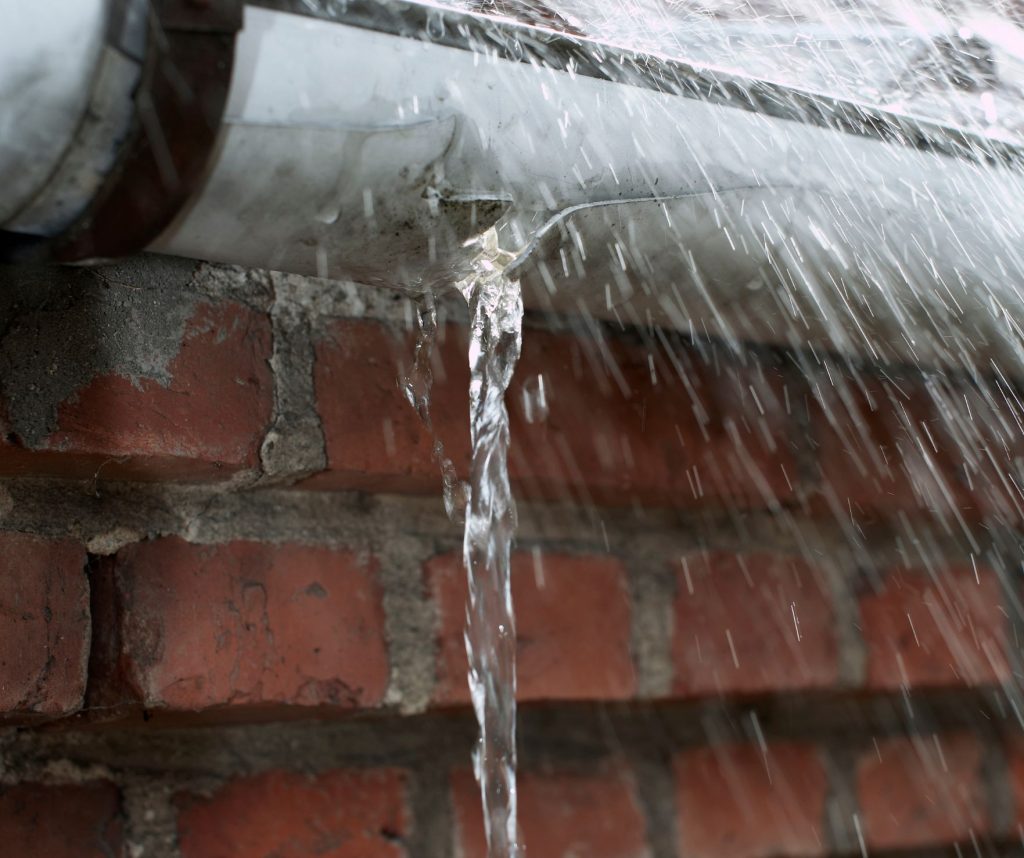
Leaks or cracks mean wear and tear – get this looked at now!
Seams that drip or leak are often a sign of sloppy connections or poor sealing. This is often caused by low-quality caulking or misaligned joints. If this keeps happening, and doesn’t get resolved, the damage risks and issues are only going to get worse. Consider upgrading to seamless gutters — they’re custom-fit and less prone to leaks.
#5. Drips Behind the Gutter
Water getting behind your gutter system usually means something’s off with the drip edge flashing or the gutters are mounted too low under the shingles. That water ends up soaking the fascia board, causing it to rot and eventually pull away from your roofline.
#6 Poor Downspout Placement
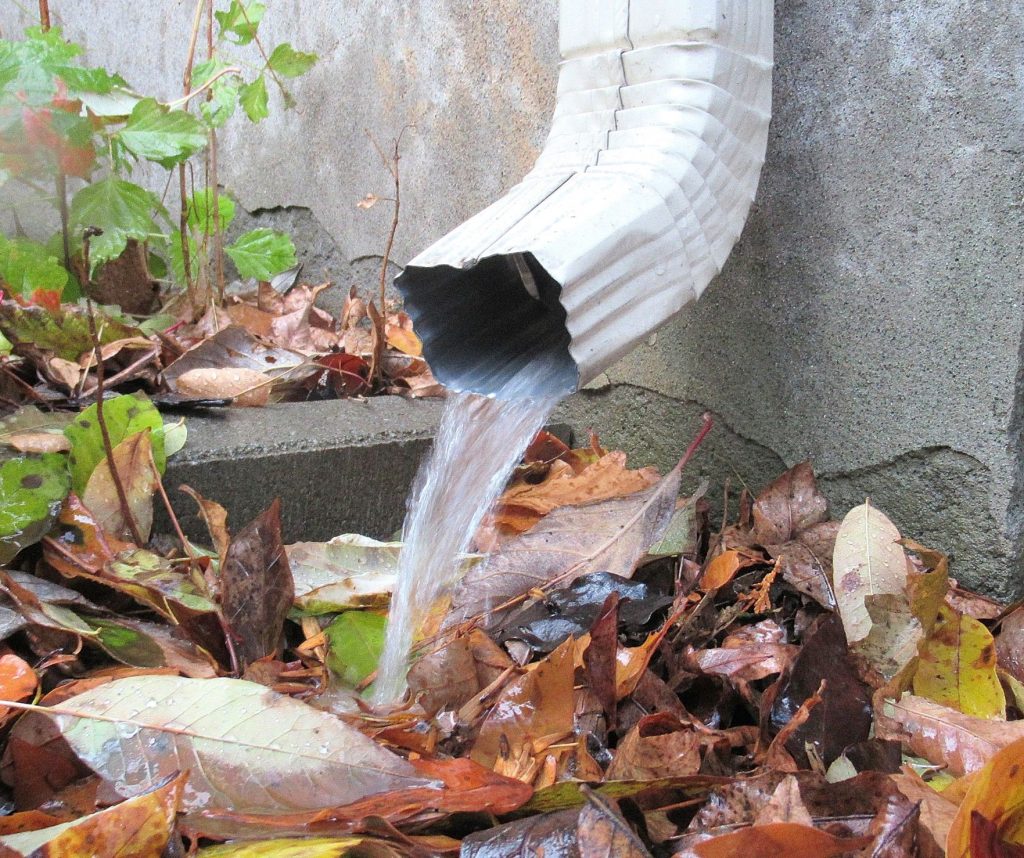
Gutter extensions should be at least 4 feet away from your foundation or discharging into a debris free splash block area.
Downspouts need to do more than just collect water — they need to move it away from your home. If they dump water right beside your foundation, or you notice erosion or pooling nearby, that’s a clear design issue. Extensions or splash blocks are an easy fix if the layout is otherwise sound. At minimum downspout extensions should be 4 feet away but I think anywhere from 6 to 8 feet is better. The distance ensures the water is expelled far enough away from the area around your foundation and prevents any water from seeping into your basement.
#7 Uneven or Wavy Gutters
Your gutters should run in a straight, even line. If they look wavy or have noticeable dips, the hangers weren’t evenly spaced or installed at the right pitch. If your gutters aren’t running in a straight line, that’s a problem. It throws off your home’s curb appeal and messes with the clean, natural lines of your roof. It just doesn’t look right — and it’s a sign something wasn’t installed properly.
#8 Rust or Peeling Paint
Metal gutters shouldn’t rust or lose paint within a couple of years. If they do, chances are they weren’t sealed properly or the finish was scratched during installation. Once rust starts, it spreads fast — especially in climates with freeze-thaw cycles.
9. Water Damage on Siding or Around the Foundation
If you’re seeing mold, water stains, or cracks in the foundation near your downspouts, it’s a sign your gutters aren’t doing their job. Water might be spilling where it shouldn’t be due to poor slope, missing extensions, or bad alignment.
When gutters are installed properly, they’re one of the most effective — and low-maintenance — systems protecting your home from water damage. But if you spot any of these signs, don’t ignore them. During a professional inspection, a gutter expert can confirm what’s wrong and prevent bigger, costlier repairs down the road.
To help keep your gutter system performing like it should, consider installing gutter guards. They prevent clogs caused by leaves,twigs, and other common debris — which are often the reason homeowners think their gutters were “installed wrong” when they’re just blocked. Gutter guards also reduce maintenance, help water flow freely, and protect against overflow that can damage your fascia and foundation.
READ NEXT:
Related Articles

What is The Best Exterior...
When it comes to your home, siding isn’t just about looks—it’s your first line of...

Trick Or Threat – How...
Halloween Home Safety Tips: How to Prepare Your Home for Trick-or-Treaters Halloween is one of...
Indoor Fall Home Maintenance Checklist
Fall Home Maintenance Checklist: Get the Inside of Your Home Ready for Winter Small home...