





I’m pretty comfortable around a construction site. Give me a hammer, some power tools and a renovation project, and I’m in my happy place. But an auto body repair shop?...

Best Gutter Guards for Your Home: Top 5 Systems Reviewed
By Mike Holmes
Mike’s Advice / Home Safety & Maintenance
Friday, December 5th, 2025 @ 3:10pm
Which Gutter Guard Is Best? A Homeowner’s Guide
Properly working gutters are essential for protecting your home from water intrusion — and gutter guards add a valuable layer of defense. They keep leaves, twigs, and debris out while allowing water to flow freely. When gutters clog, water ends up where you don’t want it: behind siding, in the basement, or around the foundation.
That’s why I recommend installing gutter guards. They act like a shield, reducing maintenance, preventing clogs, and helping your gutters last longer. With the right system and proper installation, they can protect your roof, walls, and foundation from costly damage.
There are several types of gutter guards — from brush and mesh to surface-tension systems — so choosing the right one for your home, budget, and climate is key.
Types of Gutter Guards Available
#1. Brush Guards
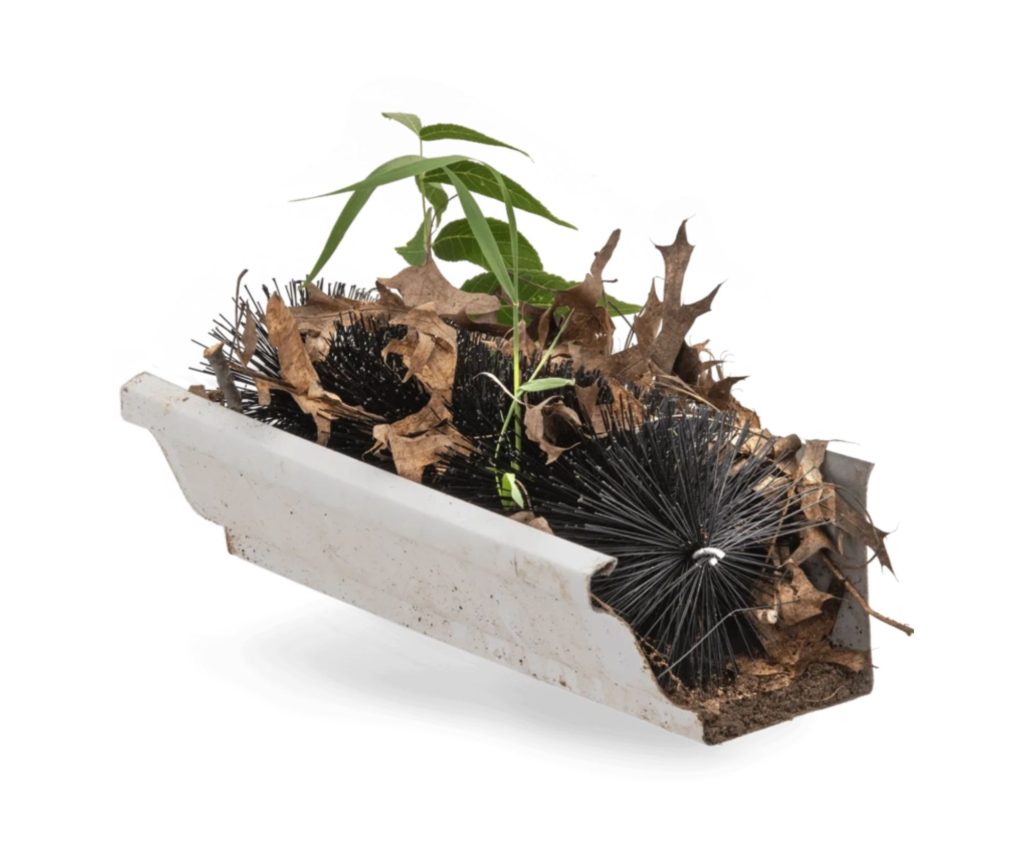
Brush Gutter Guards
One type of gutter guard that’s been around for about 25 years is the brush gutter guard. These are exactly what they sound like — long, cylindrical brushes that sit inside your gutters. The stiff bristles fill the gutter channel, blocking larger debris like twigs and leaves while still allowing water to flow through.
These are often used as a quick, DIY-friendly option for homeowners dealing with frequent clogs from nearby trees. The big advantage advertised for brush guards is how easy they are to install — just cut the brushes to size and drop them in. No tools, no screws, no fuss. They’re lightweight, easy to remove, and relatively inexpensive.
But there’s a catch – brush-style gutter guards still let debris settle inside the gutter, where it gets trapped and blocks water flow. When water can’t move freely, gutters overflow or back up, essentially leaving them unable to do the job they’re designed for. I do not recommend installing your own gutter guards as a DIY weekend project. Your gutters have an important job to do. Getting a gutter guard system professionally installed is an investment that’s worth it.
If you’re looking for a longer-term, low-maintenance solution, I recommend upgrading to a high-quality micro-mesh system like LeafFilter. It fits tightly on top of your gutters, keeping out common debris while allowing water to flow smoothly year-round. And it’s installed by trained professionals, which I always recommend.
#2. Foam Gutter Inserts

Foam Gutter Inserts
Another style of gutter guards is foam gutter inserts. Foam gutter inserts are an affordable and easy-to-install option on the market. These gutter shaped pieces of foam fit directly inside the gutter channel. Water passes through the foam, while leaves, pine needles, and debris stay on top and dry out, eventually blowing away.
They are simple and cost-effective, but there are trade-offs. Over time, foam inserts get clogged with dirt and organic matter, leading to standing water or overflow. In wet or snowy climates, they can trap moisture, creating problems with mold, mildew, or even freezing. And after a couple of years, the foam will start to deteriorate or break down, especially under high UV exposure.
For moderate or dry climates, they can be a short-term fix. But if you want lasting protection, a professionally installed LeafFilter micro-mesh system will save you the trouble — keeping your gutters clog-free and performing year after year.
Click Here To Find a US LeafFilter Installer
Click Here To Find a Canadian LeafFiler Installer
#3. Mesh Screen Gutter Guards

Mesh Screen Gutter Guards
One of the most popular styles is the mesh screen gutter guards. They’re made from either metal (like stainless steel or aluminum) or plastic and sit on top of your gutters, acting like a fine filter that blocks debris while still letting water pass through.
You’ll find everything from basic snap-in screens to high-end surgical-grade stainless-steel micromesh systems like LeafFilter. The difference comes down to the size of the openings and the quality of the materials. The finer the mesh, the better it blocks out debris — and the less maintenance you’ll have to do. Stainless steel versions resist rust, corrosion, and warping, even under harsh weather.
Cheaper plastic or metal snap-in screens might seem appealing at first, but if they’re not secured properly, wind or ice can lift or bend them.
LeafFilter’s triple-layer system design, including the surgical-grade stainless-steel micromesh filter, the weather-resistant uPVC frame, and the secure structural hanger, helps eliminate those issues. They’re professionally installed, custom-fitted to your roofline, and built to keep everything out — from leaves to twigs while still allowing water to flow freely. In fact, LeafFilter gutter guards actually accept 200% more water.
RELATED: Basement Flooded? Here are 12 Steps To Follow
#4. PVC Covers

Low Grade Screens
PVC (or vinyl) gutter guards are a budget-friendly option. These solid covers snap onto existing gutters and have small perforations or slits that let water in while keeping out larger debris. They’re mildew-resistant and easy to install.
However, vinyl can warp, crack, or become brittle under extreme temperatures or strong UV exposure. They can also loosen in high winds. While they’re affordable upfront, they don’t offer the same durability or long-term performance as metal systems.
For lasting protection, I recommend upgrading to stainless steel micro-mesh guards like LeafFilter. They won’t warp, rust, or fail over time — keeping your gutters performing properly for the life of your home.
#5. Surface-Tension or Hood-Style Gutter Guards

Surface-Tension or Hood-style Guards are the oldest style of gutter guard available.
Also known as reverse-curve or gutter helmet systems, these gutter guards have been around for decades. Made from aluminum or plastic, they’re designed with a curved edge that lets water follow the surface tension into the gutter, while debris slides off and onto the ground.
They are great at blocking large debris and generally low maintenance. However, they often require completely new gutters and must be installed with precise alignment. If the pitch or angle isn’t perfect, water can overshoot the gutter during heavy rain — leading to overflow issues. They can also require sliding the guard under your shingles, which, if done incorrectly, can create roof problems down the road.
So, while surface-tension or hood-style systems can work well, they’re not ideal for every home. If your roof pitch or weather conditions aren’t suited to them, a high-quality micro-mesh system like LeafFilter is often a better, more versatile choice. LeafFilter can be installed on existing gutters. In fact, the professional installers will actually repair your gutters before installing the LeafFilter system.
Click Here To Find a US LeafFilter Installer
Click Here To Find a Canadian LeafFiler Installer
Are Gutter Guards Worth It?
One of the most common questions homeowners ask is whether gutter guards are worth the investment.
The answer depends on your home, surrounding trees, and how often your gutters become clogged. For many homeowners, gutter guards help reduce maintenance, improve water flow, and lower the risk of water damage caused by overflowing gutters.
Without protection, leaves, twigs, pine needles, and other debris can accumulate inside the gutter system, restricting water flow and creating blockages. Over time, this can lead to foundation problems, basement leaks, fascia damage, and premature gutter wear.
A professionally installed system can help reduce these risks while minimizing the need for regular gutter cleaning.
What Is the Best Type of Gutter Guard?
The best gutter guard depends on your climate, roof design, and maintenance expectations.
While brush guards, foam inserts, and basic screens may provide temporary protection, many homeowners prefer stainless steel micro-mesh systems because they are designed to block smaller debris while allowing water to flow freely.
When comparing systems, consider:
- Debris protection
- Water flow capacity
- Durability
- Maintenance requirements
- Professional installation options
- Warranty coverage
Choosing a high-quality system can provide better long-term performance and reduce maintenance over time.
My Recommendation: LeafFilter (Stainless Steel) Gutter Protection

Water is your home’s number one enemy — and clogged gutters are one of the biggest causes of water damage. Every gutter guard system helps to some extent, but if you want a solution that truly lasts, LeafFilter is the one I trust, and I only recommend products that I’ve tested.
Its surgical grade stainless steel micro-mesh design keeps debris out of your gutters — from leaves to twigs — while still letting water flow freely. And because it’s professionally installed to fit your gutters perfectly, you get long-term, low-maintenance- protection.
There are a lot of gutter protection options on the market. Not all of them are effective. Spend your money once, do it properly. LeafFilter helps protect your gutters, roof, and foundation from costly water damage. If you want to help keep your home protected for years to come, LeafFilter is the smart choice.
READ NEXT:
The Best Gutter Guard Protection: LeafFilter Gutter Guard
Don’t Neglect Home Maintenance Tasks
Related Articles

10 Heat Pump Questions Homeowners...
Heat Pump FAQ Heat pumps have been around for awhile now but recently they've been...

Lap Siding vs Board and...
When it comes to your home’s exterior, siding isn’t just about looks—it’s your first line...
Fall House Exterior Maintenance Checklist
Fall Maintenance Tips and Clean-up List for Your Home To Get Ready For Winter When...