





I’m pretty comfortable around a construction site. Give me a hammer, some power tools and a renovation project, and I’m in my happy place. But an auto body repair shop?...

The Red Flags We See in Bathroom Renovations Gone Wrong
By Mike Holmes
Mike’s Advice / Bathroom Renovation
Friday, January 9th, 2026 @ 2:49pm
When I walk into a bathroom renovation that’s gone wrong, I usually spot the red flags in bathroom renovations right away—even before I open up the walls.
Bathrooms are one of the most common places we find serious problems hiding behind nice-looking tile. Homeowners often think, “It looks great, so it must be done right,” but appearances can be deceiving. If what’s behind the walls is wrong, those hidden issues will eventually lead to costly damage.
Over the years, I’ve seen the same mistakes again and again. Here are some of the biggest red flags in bathroom renovations we come across—and why they matter.
Improper Ventilation
Improper ventilation is a huge issue. I still see bathrooms with no exhaust fan at all, which is common in older homes. Without a fan, moisture builds up fast—and that moisture leads to mold, rot, and long-term damage behind your walls and tile.
Other common problems include fans that aren’t installed properly, fans that are too small for the space, or vents that are blocked or vented into an attic instead of outside. All that does is trap moisture where you don’t want it.
Opening a window isn’t enough. You need a properly sized, high-quality fan that vents directly outdoors. If moisture can’t escape, it will destroy your bathroom over time.
RELATED: VENTILATION IN KITCHENS AND BATHROOMS
Bad or Uneven Subfloors
Another red flag is something most homeowners never see: a bad subfloor.
If the subfloor is uneven or the framing underneath is weak, you’ll end up with cracked tiles, uneven floors, or even structural issues. This is also why I don’t recommend installing tile over tile—you’re adding extra weight to a floor that may already be struggling.
If the floor feels bouncy, tiles are cracking, or things just don’t feel solid, that’s a sign of a deeper problem. On our jobs, if we suspect an issue, we remove the tile and inspect the subfloor. Everything gets fixed before any new tile goes down. That’s the only way to do it right.
RELATED: BATHROOM FLOOR GUIDE: WHAT IS THE BEST BATHROOM FLOOR MATERIAL
DIY Plumbing Mistakes
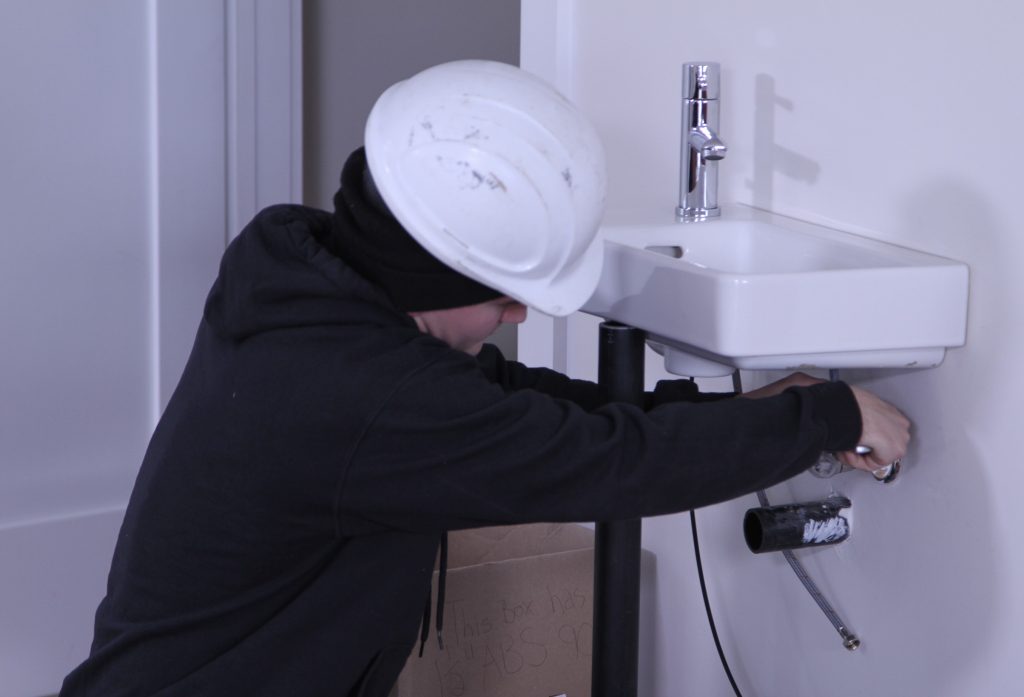
When in doubt always use a professional plumber.
DIY plumbing is another big mistake I see far too often. Bathrooms are not the place to cut corners.
Even small, slow leaks can cause massive damage over time—rotting framing, growing mold, and creating expensive repairs. Common DIY errors include using the wrong pipe materials, poor soldering, mismatched fittings, or improper drain slopes that lead to blockages.
We always recommend hiring a licensed plumber. If you’re opening up the walls, that’s the time to upgrade old copper, galvanized pipes, or mismatched systems. Reusing outdated plumbing to save money is short-term thinking. You’re just covering up old problems with new finishes.
Unsafe Electrical Work
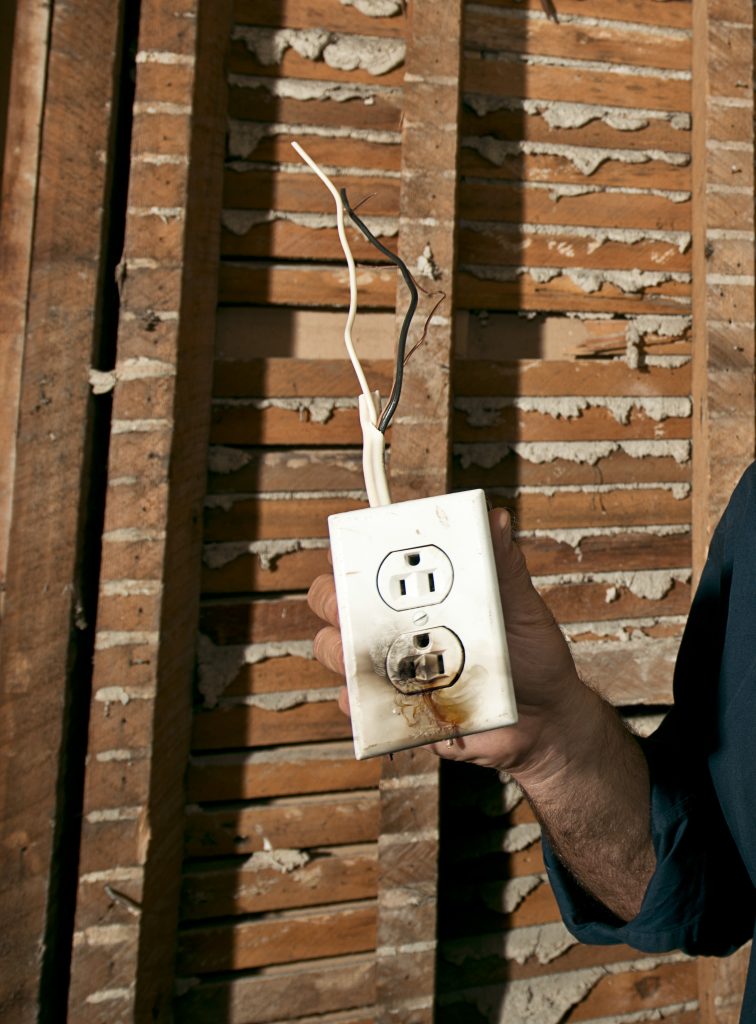
We typically always find unsafe electrical on our jobs.
In over 90% of our bathroom renovations, we find electrical work that needs to be redone.
On a recent episode of Holmes Family Rescue, we found a live wire behind a shower. That’s extremely dangerous. Bathrooms are wet environments, and electrical work has to be done properly.
You need GFCI protection, correct spacing, and fixtures rated for moisture. I’ve seen outlets without protection, lights installed too close to tubs, and wiring that simply isn’t safe. That’s not just poor workmanship—that’s a serious safety risk.
And if a contractor tells you that you don’t need permits for electrical or plumbing work, that’s a red flag. Permits exist for a reason: safety and code compliance.
Improper or Missing Waterproofing
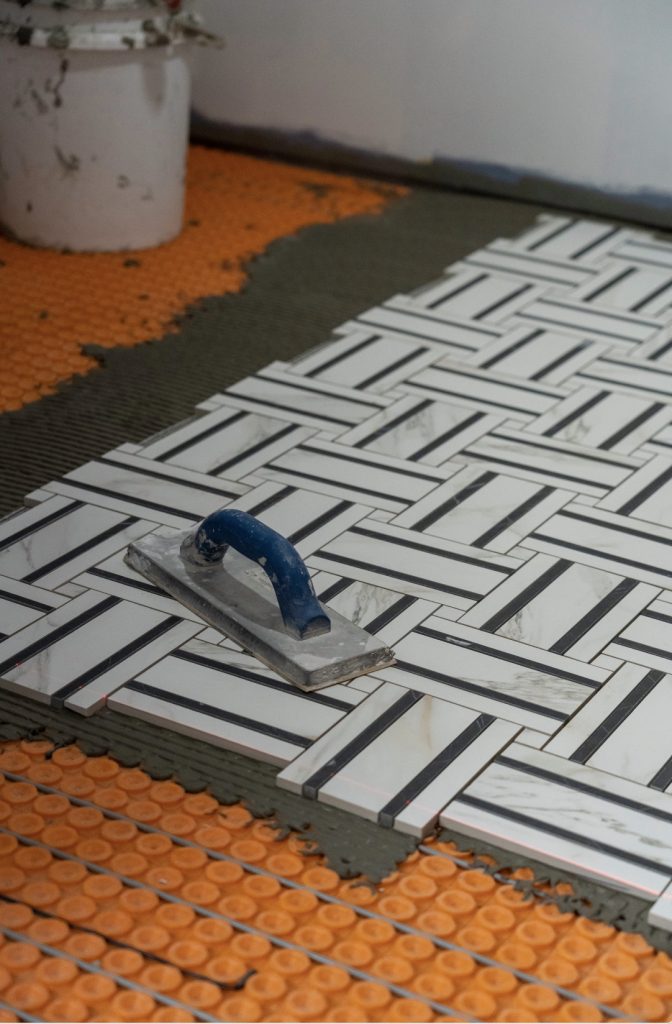
Proper waterproofing is essential for protecting your renovation from mould, mildew and water damage.
One thing I’ve been talking about for years is the importance of proper waterproofing—and it’s still one of the most common mistakes in bathroom renovations.
Tile and grout are not waterproof. Water will always find a way through. If I don’t see proper waterproofing membranes behind the walls or on the floor, I already know that bathroom is a future disaster waiting to happen.
You need a complete waterproofing system: membranes on the walls, sealed seams, protected corners, waterproofed niches, curbs, tubs, and a properly sloped shower base. If any part of that system is missing or done incorrectly, moisture damage is inevitable.
RELATED: Benefits of Waterproofing: Extend the Life of Your Bathroom Reno
My Advice for Bathroom Renovations
To avoid these red flags, ask questions. Don’t rush. Hire qualified professionals. And make sure everything behind the walls is done properly—not just what you can see.
Bathrooms take a beating every single day. If they’re not built right the first time, you’ll end up paying for it later. And trust me—doing it twice costs a lot more than doing it right.
READ NEXT: How To Make Your Bathroom Watertight
Related Articles
9 Common Electrical Problems in...
Warning Signs of Electrical Problems My goal is to educate homeowners everywhere to be more...
Wet-Room Bathroom Waterproofing the Right...
When Lisa Marie and I started planning our new primary bathroom, we agreed on one...

Why We Love the New...
When it comes to designing a shower that’s both beautiful and functional, small details can...